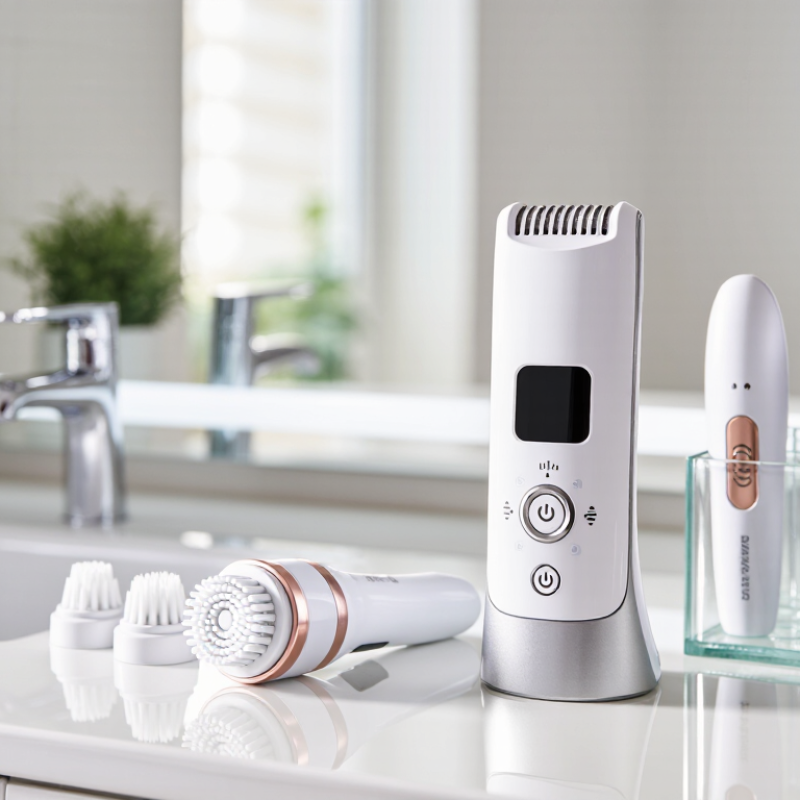
AOF Beauty
Choosing a facial beauty tool can feel like comparing dozens of shiny promises. Light colors, vibrating heads, heat settings, and app controls often compete for attention. Yet attractive specifications do not automatically create safer or better skincare results. This guide examines what features matter most in facial beauty tools through practical use, professional guidance, and reliable product information. The goal is not to crown one universal device. Skin sensitivity, treatment goals, budget, and daily habits all influence a sensible choice.
A useful tool should offer adjustable intensity, clear instructions, comfortable handling, and materials that are easy to clean. Those details matter when a device touches the cheeks, nose, or delicate area around the eyes. A timer can prevent overuse, while a secure grip helps avoid uneven pressure. For powered devices, battery stability, charging safety, warranty coverage, and responsive customer support deserve attention. Small details count. Dermatology advice and controlled evidence should outweigh dramatic before-and-after images. Some features sound advanced but provide limited value for ordinary routines. That is worth questioning.
Personal experience also reveals weaknesses that product pages may hide. A heavy tool can become frustrating after three minutes. A bright indicator may feel uncomfortable in a dim bathroom. Even a well-designed device can irritate skin when used too often or with unsuitable products. This introduction will explore the seven features most worth examining, while acknowledging uncertainty where evidence remains limited. Better choices come from realistic expectations, careful reading, and consistent use—not from chasing every new beauty technology.
Facial beauty tools serve different purposes, so choosing by appearance alone can be misleading. A cleansing brush removes surface oil and sunscreen residue, while a facial roller mainly supports gentle massage and cooling comfort. Microcurrent-style devices use low electrical currents and require careful attention to instructions, skin sensitivity, and contraindications. Light-based tools target specific cosmetic concerns, but their results vary with wavelength, usage, and individual skin condition.
Seven features deserve close attention. Look for adjustable intensity, a clear timer, comfortable handling, and washable contact surfaces. A protective eye design matters for light-based devices. For electrical tools, inspect the safety instructions and charging system. For all types, choose settings that feel controlled rather than harsh. My own experience suggests that a tool used for three quiet minutes is more useful than one abandoned after an uncomfortable session.
Material quality also affects daily hygiene. Smooth, nonporous surfaces are easier to clean, while complicated seams can collect residue. Check whether the device suits your skin type and avoids areas with irritation, broken skin, or active inflammation. Evidence may be limited for some beauty claims, so treat dramatic promises carefully. I sometimes prefer a simpler tool, although that choice is not automatically better. Patch testing and professional advice can prevent avoidable problems, especially when using electrical or light-based devices. Stop if you notice pain, burning, swelling, or unusual redness.
Understanding the purpose and types of facial beauty tools starts with comparing the features that most directly affect safe, practical, and consistent use.
This relative importance index uses a 0–100 scale to compare common decision factors. Safety controls, adjustable intensity, and skin compatibility rank highest because facial devices are used directly on sensitive skin and should be matched to individual needs.
When choosing facial beauty tools, safety should shape every feature decision. Adjustable intensity is more useful than maximum power, especially for sensitive or reactive skin.
A built-in timer helps prevent prolonged exposure and careless overuse. Automatic shutoff is valuable when attention slips.
Look closely at the materials touching your face. Smooth, non-porous surfaces are easier to clean and less likely to hold residue. Silicone can feel gentle, but the label alone does not prove quality.
Check for clear material information, stable construction, and edges that do not scrape the skin. Avoid tools with cracks, loose parts, strong chemical smells, or rough seams. Small defects matter.
Skin compatibility requires honest testing. Apply the tool briefly on a small area first, then watch for redness, burning, swelling, or unusual dryness. Stop if discomfort appears.
Clean the device according to its instructions, and never share a poorly sanitized tool. Heat, vibration, or light features may not suit every skin condition, particularly during active irritation.
I used to assume stronger settings meant better results, but that assumption was careless. Consistent, gentle use is often easier to tolerate.
Even careful guidance has limits, so persistent reactions deserve professional medical advice.
Gentle warmth can make cleansing feel more comfortable and help products spread evenly. It should feel like a warm towel, never a hot plate. A useful range is usually below 42°C, but the manual matters more. Test it on your wrist before your face. Sensitive skin may need less heat. Mine often does.
Soft pulses can make a short massage feel pleasant and support consistent routines. Stronger vibration is not automatically better. Watch for redness, tingling, or discomfort. Stop when your skin complains. Some tools advertise dramatic effects, but evidence for lasting lifting remains limited.
Red and near-infrared light are commonly used for appearance-focused routines, while blue light may suit blemish-prone skin. Results depend on wavelength, intensity, distance, and regular use. Choose clear technical information over bright marketing language. Eye protection is essential when the instructions require it.
A tool with simple timing is easier to use correctly. Smooth, water-resistant surfaces reduce residue around seams.
Skip heat, vibration, or light over broken, irritated, or sunburned skin. Patch testing is sensible, although it cannot predict every reaction. A smaller feature set may be safer and more useful than an impressive specification list.
Usability should lead every buying decision. A tool may offer multiple modes, but complicated controls quickly discourage regular use. Look for a clear timer, stable grip, readable indicators, and a head that follows facial contours. That matters.
Power options also affect real routines. Rechargeable models suit travel, while corded units provide consistent output during longer sessions. Check charging time, battery replacement terms, and voltage compatibility before purchase. Grand View Research’s 2024 beauty devices analysis projects double-digit annual market growth through 2030. However, expanding demand does not prove better skin results. McKinsey and The Business of Fashion’s 2023 report projected the wider beauty market could reach about 590 billion dollars by 2028, increasing pressure for convenient home treatments. Convenience still needs sensible performance limits.
Maintenance is easy to underestimate. Removable contact surfaces should rinse or wipe clean without trapping moisture. A device with narrow seams can collect serum, oil, and dust after repeated use. Follow the supplied cleaning instructions, and never immerse electrical parts unless expressly permitted. I have sometimes valued extra settings more than easy cleaning; that was poor judgment. A two-minute cleaning routine may support safer, more consistent use than ten unused intensity levels. Inspect cables, charging ports, and surface wear regularly. Stop using the tool if heat, swelling, cracking, or unusual odor appears. Keep it simple.
7 Tips Which Features Matter Most in Facial Beauty Tools?
Choosing the Right Facial Beauty Tool for Your Skincare Goals
The best facial beauty tool should match your routine, not a passing trend. Start with your main goal: cleansing, gentle massage, hydration support, or appearance of puffiness. Different goals require different functions. A tool with adjustable intensity is useful because sensitive skin may need a softer setting. Comfort matters. A balanced handle, quiet motor, and lightweight design make regular use easier.
Look for seven practical features: suitable modes, adjustable power, skin-friendly contact materials, ergonomic grip, easy cleaning, automatic timing, and clear safety guidance. Waterproof construction can simplify cleaning, but always check the care instructions. Avoid tools that feel harsh, pull the skin, or create persistent redness. Use clean hands and a clean device. Read the manual. These small habits reduce avoidable irritation.
I once preferred a stronger setting because it felt more effective, but my skin became tight afterward. That experience changed how I judge beauty tools. Sensation is not proof of better results. A qualified skincare professional can help when you have persistent sensitivity, active skin conditions, or uncertainty about safe use. Independent testing, transparent instructions, and realistic claims also matter. Be cautious with dramatic promises. A tool should support your skincare plan without replacing basic care, such as gentle cleansing, moisturizer, and daily sun protection.
| Tip | Feature That Matters | Best Suited For | What to Look For | Why It Matters | Safety Consideration |
|---|---|---|---|---|---|
| 1 | Adjustable intensity levels | Most skin types, especially sensitive or first-time users | At least two or three clearly marked intensity settings and simple controls | Different areas of the face and different skin types may require different levels of stimulation. Adjustable settings make it easier to start gently and increase comfort gradually. | Begin with the lowest setting. Stop if there is persistent pain, burning, swelling, or unusual irritation. |
| 2 | Skin-contact and timing controls | Users who want a consistent routine | Automatic shut-off, treatment timers, and a sensor or design that indicates proper skin contact | Timed sessions help prevent overuse, while contact guidance can make treatment more even and easier to follow. | Do not extend sessions beyond the instructions. More time does not necessarily produce better results. |
| 3 | Appropriate technology for the goal | Specific concerns such as cleansing, temporary puffiness, or the appearance of fine lines | A clearly stated mechanism, such as gentle cleansing vibration, cooling, warming, microcurrent, or light-based functions | A tool should match the intended purpose. Cleansing tools, massage tools, and light-based devices do not provide the same type of support. | Avoid treating a beauty tool as a substitute for medical care or proven treatments for diagnosed skin conditions. |
| 4 | Gentle, non-abrasive contact surface | Sensitive, dry, or redness-prone skin | Smooth silicone or another non-abrasive surface, rounded edges, and no sharp or rough bristles | Rough physical exfoliation and excessive friction can worsen dryness and irritation, particularly for reactive skin. | Use light pressure and avoid broken skin, active rashes, sunburn, or areas that feel sore. |
| 5 | Water resistance and easy cleaning | Cleansing routines and frequent users | A sealed surface, clear water-resistance instructions, removable attachments where appropriate, and no difficult-to-clean crevices | Facial tools collect cleanser, oil, and dead skin cells. Regular cleaning helps reduce the buildup of residue and microorganisms. | Follow the cleaning instructions. Do not submerge a device unless it is specifically designed for immersion. |
| 6 | Comfort, ergonomics, and portability | People who value regular use or travel-friendly routines | A lightweight shape, secure grip, manageable noise level, convenient charging, and a battery that supports the intended routine | A comfortable tool is more likely to be used consistently. Regular, appropriate use is generally more practical than occasional overuse. | Avoid using a device while charging unless the instructions specifically allow it. |
| 7 | Clear instructions and realistic claims | All users, especially those comparing different device types | Detailed usage guidance, contraindications, recommended frequency, warranty information, and transparent technical specifications | Reliable instructions help users choose an appropriate routine and judge claims more critically. Cosmetic tools usually provide gradual or temporary improvements rather than permanent changes. | Check professional guidance before use if you have a skin condition, implanted electronic device, recent procedure, or take photosensitizing medication. |
It helps remove surface oil and sunscreen residue. Use gentle pressure and avoid irritated skin.
A roller mainly provides gentle massage and cooling comfort. It does not replace cleansing.
Look for adjustable intensity, a clear timer, comfortable handling, and washable contact surfaces. Automatic shutoff is useful.
They are easier to clean and less likely to hold residue. Rough seams and cracks can collect unwanted buildup.
Test it briefly on a small area first. Watch for redness, burning, swelling, or unusual dryness.
No. Stronger settings may feel harsh, especially on sensitive skin. I once assumed more power meant better results, but that was careless.
Read the safety instructions carefully. Follow the timer, protect your eyes when required, and check charging components.
Stop if you notice pain, burning, swelling, or unusual redness. Do not continue hoping discomfort will disappear.
Follow the device instructions and avoid careless overuse. Three quiet minutes may be more practical than an uncomfortable session.
No. Heat, vibration, and light may not suit actively irritated skin. Persistent reactions need professional medical advice.
Choosing a facial beauty tool starts with understanding its purpose and the type of skincare support it provides, such as cleansing, massage, warming, cooling, or product absorption. The most important considerations include safe construction, skin-friendly materials, adjustable intensity, and compatibility with your skin type and specific concerns. Features should enhance comfort and support a consistent routine rather than create unnecessary irritation.
When deciding what features matter most in facial beauty tools, consider how heat, vibration, or light may fit your skincare goals and whether the settings can be controlled easily. A practical tool should be comfortable to hold, simple to operate, and powered in a convenient way, whether rechargeable or corded. Easy cleaning, durable design, and clear care instructions are also essential. The best choice is one that combines useful functions, reliable safety, and manageable maintenance while matching your personal routine.