How to Choose Beauty Technology for Your Skincare Routine?

Time:2026-09-22 Author:Isabella
0%

Choosing skincare technology can feel like shopping in a bright, confusing showroom. LED masks promise calmer-looking skin, cleansing brushes offer a polished feel, and microcurrent devices claim a firmer appearance. Yet attractive design does not prove effectiveness. The better question is how to choose beauty technology for your skincare routine without chasing every online trend.

A reliable choice begins with your skin concern, tolerance, and daily habits. Dermatologists often recommend checking published research, manufacturer instructions, and regulatory clearance where applicable. Look for transparent wavelengths, intensity levels, treatment times, and realistic claims. A device should explain what it does and what it cannot do. That matters.

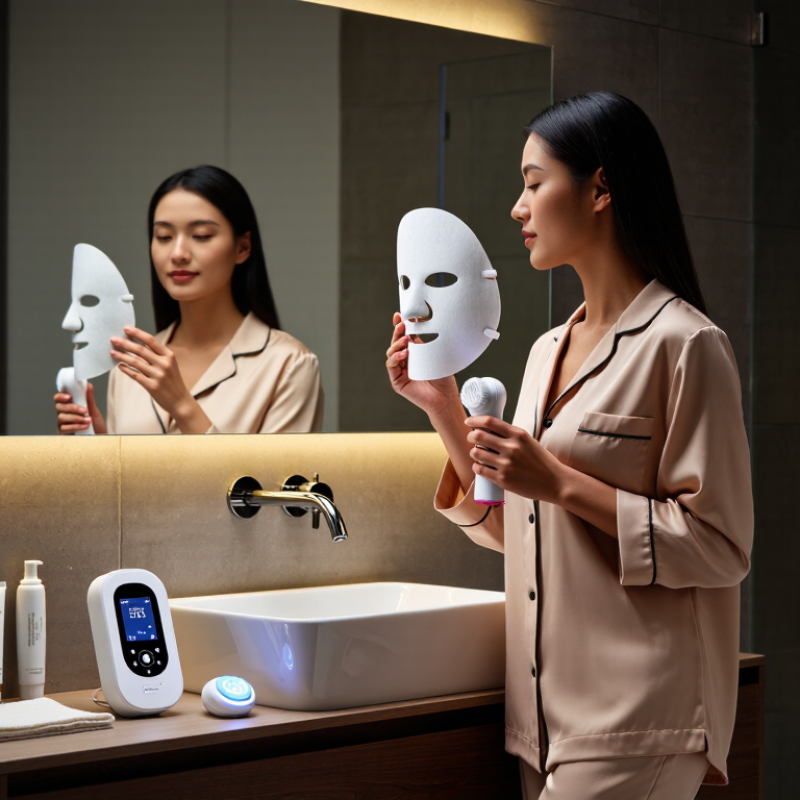
Imagine standing beside your bathroom mirror at night. Will you use the device three times weekly, or leave it unopened after one attempt? Practicality is part of performance. Consider sensitive areas, charging needs, cleaning steps, replacement parts, and warranty support. Patch testing and following safety guidance can reduce avoidable irritation, especially with heat, exfoliation, or electrical stimulation. Never use a device over broken skin unless a qualified professional advises it.

Personal experience can reveal comfort and consistency, but it cannot replace clinical evidence. Reviews may describe a pleasant glow while overlooking delayed redness. I have found that simple routines are easier to maintain, although this is not universal. Some technologies may help, yet results vary. A cautious approach protects your skin, your time, and your expectations.

How to Choose Beauty Technology for Your Skincare Routine?

Define Skin Goals Using AAD Guidance and Baseline Photos

Choosing beauty technology should begin with a clear skin goal, not an exciting device. American Academy of Dermatology guidance encourages realistic expectations, gentle care, and professional advice for persistent concerns. Write down one or two priorities, such as uneven tone, dryness, or fine lines. Avoid treating every visible change at once. That approach makes results easier to judge and reduces unnecessary irritation.

Take baseline photos before changing your routine. Use the same room, camera, distance, and neutral expression each time. Morning light near a window can reveal texture without harsh shadows. Photograph the front and both sides of your face. Keep the images private and date each file. My first photos were too close, and the lighting made my cheeks look redder than usual. That mistake made comparison difficult.

Record products, treatment dates, and any sensations, including tightness or stinging. After several weeks, review the photos beside your notes. Look for gradual changes rather than dramatic promises. If a device claims to address acne, pigmentation, or redness, check whether its intended use matches your goal. Skin conditions can resemble one another, so a qualified dermatologist should assess ongoing pain, swelling, sudden changes, or worsening irritation. Keep it simple. A baseline is not a diagnosis, and one imperfect photo should not decide your entire routine.

How to Choose Beauty Technology for Your Skincare Routine? - Define Skin Goals Using AAD Guidance and Baseline Photos

Skin goal Baseline to record Technology category to consider Practical selection criteria Safety and evidence notes Review interval
Acne and clogged pores Count inflammatory spots and comedones in the same facial zones; photograph the face frontally and from both sides. A gentle cleansing device may support cleansing, while light-based devices should be treated as adjuncts rather than replacements for acne care. Choose adjustable intensity, a non-abrasive contact surface, automatic shut-off, and clear instructions for skin and eye protection. Avoid harsh scrubbing because irritation can worsen acne. Persistent, painful, cystic, or scarring acne warrants evaluation by a board-certified dermatologist. Every 4 weeks; stop sooner if burning, swelling, unusual dryness, or worsening breakouts occur.
Uneven tone and dark spots Record the number, approximate diameter, and color of visible spots using identical lighting and camera distance. Light-based or energy-based procedures may be considered only after professional assessment; daily sunscreen is the foundation. Look for professional supervision, documented contraindications, wavelength or energy information, and a clear aftercare plan. Use broad-spectrum, water-resistant sunscreen with SPF 30 or higher as recommended by the AAD. Some pigment conditions can worsen after irritation or energy treatments, especially in darker skin tones. Every 8–12 weeks; compare photos only under matching conditions.
Fine lines and texture Photograph relaxed skin and smiling skin; note fine lines, roughness, and overall smoothness without makeup or filters. Low-intensity LED or radiofrequency-style devices may be considered, depending on the device's intended use and safety information. Prefer conservative settings, published instructions, a cooling or comfort feature when applicable, and realistic claims about gradual results. Technology cannot replace sun protection, moisturizer, or clinician-guided treatment. Avoid use over open wounds or active skin infections. Every 8–12 weeks; assess texture consistently rather than relying on day-to-day changes.
Dryness and weakened skin barrier Track tightness, flaking, stinging after cleansing, and moisturizer comfort on a 0–10 scale. Technology is usually secondary; prioritize a gentle cleanser, fragrance-free moisturizer, and reduced device use. If a device is used, select the lowest effective setting and avoid abrasive exfoliation, heat, or prolonged sessions. The AAD advises gentle cleansing and regular moisturizing. Pause devices if they increase stinging, redness, cracking, or peeling. Reassess after 1–2 weeks of barrier-focused care before adding technology.
Redness and sensitivity Record baseline redness, flushing triggers, warmth, itching, and stinging; take photos without hot light or direct sunlight. Avoid heat-producing or aggressive devices unless recommended by a qualified clinician; consider no-device care first. Look for low-heat operation, short sessions, adjustable intensity, and transparent contraindications. Persistent facial redness, visible vessels, or flushing may reflect rosacea or another condition and should be assessed professionally before treatment. Review weekly during the first month; discontinue if symptoms increase.
Overall routine consistency Log cleansing, moisturizing, sunscreen use, device settings, session duration, and any reactions. A simple device that fits the existing routine is generally more practical than a complex multi-function system. Select a device with clear timing guidance, easy cleaning, comfortable ergonomics, and a return or support policy. Patch-test new products when appropriate, follow the manufacturer's instructions, and do not use devices in ways not described in the instructions. Review after 4 weeks for adherence and after 8–12 weeks for gradual cosmetic changes.
Photo standard: Use the same camera, distance, angle, neutral expression, room, and lighting; avoid filters, makeup, and changing exposure. A baseline photo documents change but does not diagnose a skin condition.
General reference: American Academy of Dermatology guidance emphasizes gentle cleansing, moisturizing, broad-spectrum SPF 30 or higher sunscreen, and professional evaluation for persistent or severe skin concerns.

Verify FDA Clearance, Contraindications, and Eye-Safety Requirements

How to Choose Beauty Technology for Your Skincare Routine?

The wellness economy reached $6.3 trillion in 2023, according to the Global Wellness Institute’s 2024 report. This growth brings more home-use beauty devices, but also more confusing claims. Check whether a device has FDA clearance, not vague “FDA registered” language. FDA 510(k) clearance means substantial equivalence to an existing device. It does not prove guaranteed results or suitability for every skin type.

Read the contraindications before using the device. Common warnings may involve photosensitising medicines, active skin disease, recent procedures, implanted electronic devices, or seizure-related light sensitivity. These risks vary by technology. A dermatologist or qualified clinician can review your medication list and treatment history. I still find some manuals too general. That is a problem.

Eye safety needs specific evidence. Look for stated wavelengths, exposure time, irradiance, protective shielding, and testing under IEC 62471 or equivalent photobiological safety standards. Do not rely on comfort alone. Bright light can feel harmless while still stressing sensitive eyes. FDA post-market reporting systems, including MAUDE, collect device incident reports, but these reports cannot show true risk rates. They can still reveal repeated patterns. Stop if you notice pain, flashing lights, blurred vision, or lingering redness. Photograph the reaction and seek medical advice. A clearance number is useful, but careful instructions matter more.

Match Device Type to Evidence: LED 630–660 nm and 810–850 nm

Choosing beauty technology starts with matching the device to credible evidence, not attractive features. For LED skincare, red light around 630–660 nm is commonly studied for visible skin concerns, including texture and signs of photoaging. Near-infrared light around 810–850 nm reaches deeper tissue layers. It is often investigated for supporting cellular activity and recovery.

These ranges are not interchangeable.

Check the device specifications carefully. A panel may list several colors without stating exact wavelengths, irradiance, or treatment time. That makes results harder to judge. Look for safety guidance, testing information, and clear instructions from qualified professionals. More power is not automatically better. Follow the recommended distance and schedule. Protect your eyes when required.

I prefer simple routines that I can repeat consistently. Clean skin, dry thoroughly, then use the LED device before heavier products. A mild warmth is normal. Burning, persistent redness, or discomfort is not.

Take photos under the same bathroom light every few weeks. Changes can be subtle. My own mistake was expecting quick results and adding too many products at once. That made it difficult to identify what helped. Evidence also varies between devices, so a study on one wavelength or dose may not apply perfectly to another. Be patient, record your response, and reconsider the device if its technical details remain unclear.

Compare Clinical Results from 8–12-Week Peer-Reviewed Trials

Choosing beauty technology should begin with clinical duration, not a dramatic before-and-after image. Eight to twelve weeks is a useful testing window because skin turnover and collagen remodeling need time. In peer-reviewed trials, red and near-infrared light devices have shown modest wrinkle improvements after 12 weeks. Results often depend on treatment frequency, wavelength, and participant age.

“Modest” matters.

Comparisons become clearer when trial design is examined. A 2023 review in Lasers in Medical Science found that home light-based treatments generally produced positive outcomes, but studies remained small and used different protocols. An eight-week randomized trial of a home radiofrequency device reported improved skin firmness, while temporary redness affected some participants. These findings do not prove every device will perform similarly. The gap is easy to miss.

Industry reports support a cautious approach. McKinsey’s 2023 beauty market report identifies proven efficacy as a major consumer priority, while NIQ’s 2024 State of Beauty report highlights growing interest in technology-led skincare. Still, marketing language can stretch beyond the evidence. I would record baseline photographs under identical lighting, follow the published schedule, and track irritation weekly. A forgotten treatment session can weaken the comparison. So can wishful judgment. Choose studies with peer review, sham controls, clear sample sizes, and results measured by dermatologists rather than promises alone.

Track Adherence, Irritation, Cost, and Outcomes Before Reassessment

How to Choose Beauty Technology for Your Skincare Routine?

A useful device should fit your routine, not disrupt it. Track how often you use it each week. A calendar note can reveal missed sessions more clearly than memory. Consistency matters because uneven use can make results difficult to judge. Take photos in the same room, under similar lighting, every two weeks.

Tips: Record redness, stinging, dryness, and breakouts after each use. Stop when irritation persists. Note the real cost, including replacement parts and time. Keep expectations realistic.

Skin changes slowly. That is frustrating. A dermatologist can help assess persistent irritation or unexplained changes. Before reassessment, compare your original goal with measurable outcomes, such as smoother texture or fewer visible blemishes. Do not add several new products during this period, or you may lose track of the cause. I have found that simple records often expose inconsistent habits, including skipped evenings and overly long sessions. That reflection can feel uncomfortable, but it improves decision-making. Evidence from your own routine is helpful, though it is not a substitute for professional evaluation. A device that looks advanced may still be unsuitable for sensitive skin. Reassess after a consistent trial period, unless discomfort appears earlier.

FAQS

Which LED wavelength range is commonly studied for visible skin concerns?

Red light around 630–660 nm is commonly studied for texture and photoaging signs. It is not a guaranteed solution.

What is near-infrared light used to investigate?

Near-infrared light around 810–850 nm reaches deeper tissue layers. It is often investigated for cellular activity and recovery. These ranges are not interchangeable.

What device details should I check before buying?

Check the exact wavelengths, irradiance, treatment time, distance, and safety instructions. A list of colors is not enough. Clear details matter.

How should I use an LED device in my routine?

Clean your skin and dry it thoroughly before use. Apply heavier products afterward. Follow the recommended distance and schedule.

What sensations are normal during treatment?

Mild warmth can be normal. Burning, lasting redness, or discomfort is not. Stop if irritation persists, and seek professional advice when needed.

How can I track whether the routine is helping?

Record each session on a calendar. Take photos every two weeks in the same room and similar lighting. Note texture, blemishes, redness, dryness, stinging, and breakouts.

Should I add several skincare products during the trial period?

Avoid changing many products at once. Otherwise, you may not know what caused improvement or irritation. I once expected quick results and overcomplicated everything.

When should I reassess the device and its cost?

Reassess after a consistent trial period, unless discomfort appears earlier. Include treatment time and replacement parts in the real cost. A dermatologist can assess persistent irritation or unexplained changes.

Conclusion

Choosing the right device begins with a clear understanding of your skincare goals. To learn how to choose beauty technology for your skincare routine, define whether you want to address concerns such as uneven tone, fine lines, acne, or general skin maintenance. Follow reputable dermatology guidance, take baseline photos in consistent lighting, and review the device’s regulatory clearance, contraindications, and eye-safety instructions before use. These steps help you select technology that fits your needs and reduces avoidable risks.

Next, match the device type to the available evidence. For light-based tools, wavelengths around 630–660 nm and 810–850 nm are commonly evaluated for different skin-support goals, but results depend on consistent use and appropriate settings. Compare findings from peer-reviewed clinical trials lasting approximately 8–12 weeks rather than relying only on promotional claims. During your trial, track adherence, irritation, expenses, and visible changes. Reassess after the planned period and discontinue use if significant discomfort or unexpected reactions occur.

Isabella

Isabella

Isabella is a dedicated marketing professional with a sharp focus on driving brand growth and engagement through strategic content creation. With an extensive background in digital marketing, she combines her passion for storytelling with her keen understanding of industry trends to deliver......