AOF Beauty
Beauty devices are moving from specialist clinics into ordinary bathrooms in 2026. Their promise sounds simple: brighter skin, smoother texture, and a more consistent routine. Yet results depend on informed use, not expensive packaging. This guide introduces how to maximize the benefits of beauty devices through realistic expectations, careful selection, and disciplined habits.
Dermatologist Dr. Joshua Zeichner has said, “More is not always better when it comes to skin care.” That principle matters when using LED masks, microcurrent tools, cleansing brushes, or radiofrequency devices. Follow the manufacturer’s timing and intensity instructions. Do not treat discomfort as proof of effectiveness. Clean the device after every use, especially around the nose and jawline. Check whether the product is FDA-cleared when applicable, and confirm its suitability for your skin type.
Consistency usually matters more than dramatic sessions. A five-minute routine can be easier to maintain than an aggressive weekly experiment. Use gentle skincare before and after treatment. Avoid combining several irritating products on the same evening. Sunscreen remains essential, even when the device feels advanced. It is not optional.
Some claims remain stronger than the available evidence. That deserves honest attention. Skin may react differently because of sensitivity, medication, pigmentation, or an existing condition. Stop if you notice burning, swelling, persistent redness, or pain. Speak with a qualified dermatologist before use if you have concerns. The goal is not perfect skin overnight. It is safer, evidence-aware progress that fits real life. My own reflection is simple: enthusiasm can improve a routine, but restraint often protects it.
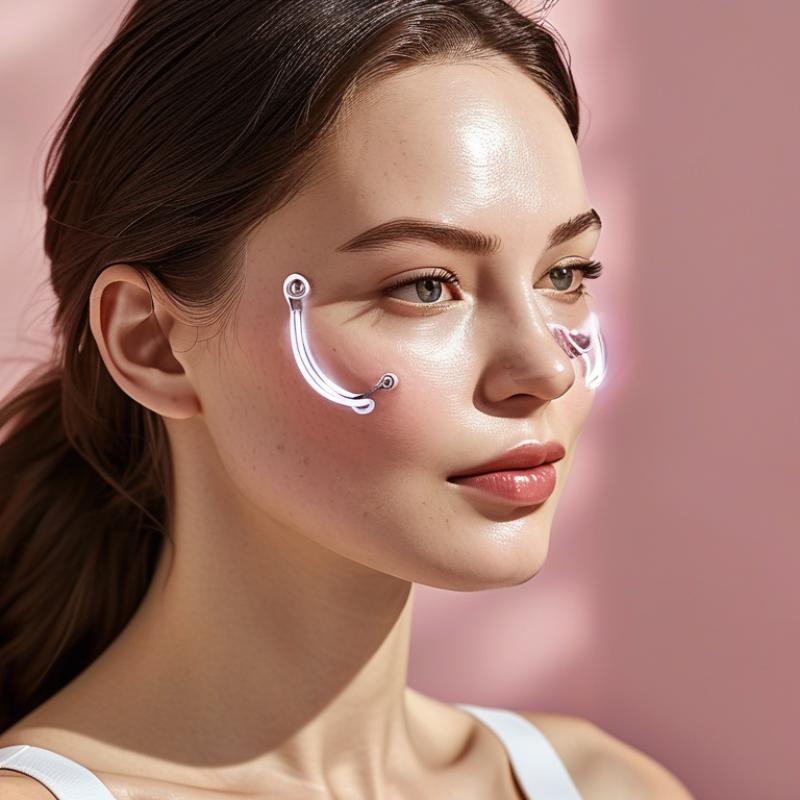
Beauty devices are home tools designed to support specific skincare routines. Their functions differ: cleansing brushes remove surface debris, while LED devices deliver controlled light. Microcurrent tools use gentle electrical signals to stimulate facial muscles temporarily. Some heating devices aim to support circulation or improve the look of firmness.
The goal matters. A device cannot replace sunscreen, sleep, or professional diagnosis. From a practical perspective, choosing one function prevents confusing results.
Read the instructions before placing any device near your eyes, neck, or broken skin. Clean contact surfaces after each use, especially when the tool touches makeup or sweat. Start with the lowest comfortable setting and short sessions.
Redness that fades quickly may occur, but burning, swelling, or lasting irritation requires stopping.
People with sensitive skin, implanted electronic devices, or active skin conditions should seek medical advice first. This is not optional. Clinical evidence varies widely between device types, settings, and individual users.
To maximize benefits, track one visible concern for four weeks, such as dullness or uneven texture. Take photos in the same window light, with a clean face and relaxed expression.
Use compatible skincare products, and avoid combining strong exfoliants with heat or electrical stimulation. In everyday use, consistency beats intensity, although results can remain subtle.
That can feel disappointing. A qualified dermatologist can explain whether a device suits your skin and identify problems it cannot safely address.
How to Maximize the Benefits of Beauty Devices in 2026
Choosing the Right Device for Your Skin and Beauty Goals
The best beauty device matches your skin needs, not the latest online trend. Start by identifying one clear goal, such as reducing puffiness, improving dullness, or supporting smoother-looking skin. For gentle daily care, a cleansing device may suit oily skin. Light-based tools can support a brighter appearance when used correctly. Devices using warmth or electrical stimulation require extra caution and realistic expectations.
I once made my routine too ambitious by using several tools in one week. My skin became tight, irritated, and difficult to assess. Now, I introduce one device at a time and record changes with weekly photos. Always read the instructions, clean the device, and avoid damaged or inflamed skin. A patch test can reveal problems early. People with sensitive skin, ongoing skin conditions, or medication concerns should ask a qualified dermatologist before use.
Tips: Match the device to one goal. Begin with the lowest comfortable setting. Follow the recommended schedule. Stop if burning, swelling, or persistent redness appears. Use sunscreen during daytime routines, especially when your skin feels more reactive. Consistency matters more than intensity. Results can be subtle. That is normal.
| Device Type | Main Beauty Goal | Best Suited For | Typical Use Pattern | Evidence and Expected Outcome | Important Limitations | Key Safety Considerations |
|---|---|---|---|---|---|---|
| Red and near-infrared LED | Fine lines, mild redness, and overall skin appearance | Most skin types, including sensitive skin when tolerated | Usually several sessions per week according to the device instructions; use on clean, dry skin | Photobiomodulation has shown modest improvements in some signs of photoaging and inflammation after consistent use over several weeks | Results are gradual and vary with wavelength, dose, treatment distance, and consistency; it does not replace sunscreen or professional treatment | Follow eye-protection instructions; ask a clinician before use if taking photosensitizing medication or managing a light-sensitive condition |
| Blue LED | Mild to moderate acne management | Oily or acne-prone skin with inflammatory blemishes | Use consistently during the treatment schedule supplied with the device; cleanse skin before treatment | Blue light may reduce acne-associated bacteria and inflammation; improvement is generally limited and requires continued use | It is not a complete acne treatment and is less appropriate for deep cystic acne, scarring, or significant hormonal acne | Use the supplied eye protection; stop if there is persistent irritation, worsening redness, or unusual sensitivity to light |
| Microcurrent | Temporary facial toning and a more lifted-looking appearance | Healthy skin seeking a short-term cosmetic effect | Use only with the recommended conductive gel or medium and follow the stated session frequency | Small electrical currents may create temporary muscle stimulation and improved product glide; durable wrinkle reduction is not well established | Effects commonly fade when use stops; it cannot remove excess skin or produce surgical-level lifting | Avoid with implanted electrical devices, such as pacemakers; seek medical advice during pregnancy or when treating neurological or cardiac conditions |
| At-home radiofrequency | Mild skin laxity and collagen-supporting care | Normal to moderately sensitive skin without active inflammation | Use at the prescribed intensity and frequency; keep the treatment head moving as directed | Controlled heat can stimulate dermal remodeling; home devices generally produce subtler results than professional radiofrequency treatments | Overheating can cause irritation or burns; it is not suitable for pronounced sagging or deep wrinkles | Do not use over open wounds, active infections, or areas with reduced sensation; follow temperature and contact-time limits carefully |
| Ultrasonic skin spatula | Surface cleansing and temporary smoother-feeling skin | Normal, combination, or oily skin that is not irritated | Use on thoroughly damp skin for short sessions; clean and disinfect the attachment after use | May assist surface exfoliation and loosen debris, but evidence for deep cleansing or long-term pore reduction is limited | Pores cannot be permanently closed; frequent use may compromise the skin barrier and increase dryness | Avoid active acne lesions, eczema, rosacea flares, cuts, and sunburn; use minimal pressure |
| Home IPL hair-reduction device | Long-term reduction of unwanted hair | Light-to-medium skin tones with naturally dark hair, depending on the device’s skin-tone requirements | Initial treatments are commonly spaced about one to two weeks apart, followed by maintenance sessions when regrowth appears | Intense pulsed light can reduce hair growth over time, but it provides reduction rather than guaranteed permanent removal | Less effective on blonde, red, gray, or white hair; performance and safety vary substantially by skin tone and device sensor design | Do not use on recently tanned skin, tattoos, dark moles, or suspicious lesions; perform a patch test and follow sun-avoidance guidance |
| Microneedling device | Texture, fine lines, and mild acne-scar appearance | Selected skin types under professional supervision; not ideal for active inflammatory skin disease | Professional treatments are typically separated by several weeks to allow healing; home use should not involve penetrating needles | Controlled skin injury can stimulate wound healing and collagen formation, but results depend on needle depth, technique, and diagnosis | Improper home use increases the risk of infection, prolonged redness, pigmentation changes, and scarring | Avoid DIY needle penetration; consult a qualified professional, especially if prone to keloids, hyperpigmentation, cold sores, or poor wound healing |
| Facial cleansing brush | Removal of surface oil, makeup, and sunscreen residue | Normal or oily skin that tolerates gentle cleansing | Use gently with a mild cleanser; short sessions are sufficient, and the brush head should be cleaned and replaced as recommended | Mechanical cleansing can remove surface debris, but it has not been shown to permanently shrink pores or replace acne medication | Overuse can cause friction, dryness, irritation, and barrier disruption, particularly on sensitive or dry skin | Do not share brush heads; avoid broken skin, active dermatitis, and inflamed acne; stop when stinging or persistent redness occurs |
General guidance: Choose one primary skin or beauty goal, check the device’s approved use and technical specifications, begin at the lowest effective setting, and track results with consistent photographs under similar lighting. Beauty devices should complement—not replace—daily sunscreen, gentle cleansing, moisturization, and professional medical care when needed.
Preparing your skin and device is the quiet part of an effective beauty routine. Wash your face with a gentle cleanser, then pat it completely dry. Oils, makeup, and moisture can change how energy or pressure reaches the skin. I usually wait a few minutes before treatment. This reduces rushing.
Inspect the device under a bright bathroom light. Check the surface, cable, attachments, and settings for damage. Clean the treatment head according to its instructions, and never share it without proper sanitation. A patch test on the jawline can reveal unexpected redness or stinging. Use the lowest suitable setting during your first session. More intensity is not always better. Avoid areas with cuts, active irritation, unusual swelling, or a fresh rash. When uncertain, ask a qualified dermatologist.
During use, keep the device moving as directed. Do not press harder to chase faster results. Mild warmth may be acceptable, but sharp pain, persistent burning, or marked redness means stop. I once treated tired skin too quickly and needed several days to calm it. That mistake changed my routine. Now I record the date, setting, treatment area, and skin response. Afterward, apply a simple moisturizer and protect exposed skin from sunlight. Skip harsh exfoliants immediately after treatment. Results can be uneven, especially when technique changes between sessions. Consistency matters, but careful observation matters more.
How to Maximize the Benefits of Beauty Devices in 2026
Building a consistent beauty device routine starts with realistic timing. McKinsey & Company projects the global beauty market may reach $590 billion by 2028, growing about 6% annually. More products will enter homes, but more choice can create inconsistent habits. Choose one primary goal, such as reducing visible dullness or supporting smoother-looking skin. Use the device only as directed. Longer sessions are not automatically better.
A practical routine might include two weekly sessions, performed on fixed evenings. Clean, dry skin first, then check the device instructions and treatment limits. Set a phone reminder for 8:30 p.m. Keep the device beside your cleanser, not inside a drawer. Small environmental cues matter. Circana’s 2024 U.S. beauty review reported continued growth in prestige beauty spending, showing strong consumer interest in at-home care. Spending, however, does not guarantee disciplined use.
Track simple observations every four weeks. Note treatment dates, sensitivity, dryness, and visible changes under similar lighting. Stop if persistent irritation appears, and seek qualified medical advice when needed. Do not combine multiple active treatments casually. That is where routines become confusing. My own reflection is less exciting: skipping one session is harmless, but abandoning the plan after three missed sessions wastes more than money. Consistency should be flexible, not obsessive. Review the routine monthly, and change only one variable at a time. (Sources: McKinsey & Company, The Beauty Market in 2023; Circana, U.S. Beauty Industry Review 2024.)
Beauty devices work best when treated as routines, not quick fixes. Track one goal at a time, such as softer texture or fewer visible blemishes. Take photos every seven days under the same window light. Keep your face, camera distance, and expression consistent. Record settings, session length, and products used beforehand. This simple record separates real change from a flattering angle.
Give your skin enough time to respond. Many changes need several weeks, while irritation can appear within hours. Note redness, dryness, tingling, and sensitivity in a dated log. Mild warmth may be expected for some tools. Pause after persistent pain, swelling, or worsening irritation. Seek professional medical advice. Follow the device instructions exactly, especially around the eyes and broken skin. More intensity is not automatically more effective.
Adjust only one variable each week. You might reduce sessions after tightness appears, or add recovery days when dryness increases. My own tracking was imperfect; I missed photos and changed products midweek. That made the results harder to interpret. If progress stalls, check technique, consistency, and expectations before increasing intensity. A qualified dermatologist or clinician can assess ongoing reactions and suitability. Keep what the evidence supports. Discard what it does not.
Beauty devices support specific skincare routines at home. Cleansing brushes remove surface debris. LED tools use controlled light. Microcurrent tools send gentle electrical signals. Heating tools may support circulation or firmer-looking skin. They cannot replace sunscreen, sleep, or medical advice.
Wash your face with a gentle cleanser and pat it completely dry. Remove makeup, oil, and moisture. Wait a few minutes if your skin feels damp. Clean the treatment head according to its instructions. Simple preparation helps.
Inspect the device under bright bathroom light. Check the surface, cable, attachments, and settings for damage. Do not use damaged parts. Keep the device clean. Never share it without proper sanitation.
Avoid cuts, broken skin, active irritation, unusual swelling, and fresh rashes. Follow special instructions around the eyes and neck. A jawline patch test may reveal unexpected stinging or redness. When uncertain, ask a qualified dermatologist.
Start with the lowest comfortable setting and a short session. Keep the device moving as directed. Do not press harder for faster results. More intensity is not always better. That lesson is easy to ignore.
Mild warmth or brief redness may occur with some devices. Stop if you feel sharp pain, burning, swelling, or lasting irritation. Pause when dryness or sensitivity worsens. Seek medical advice for persistent reactions. Do not push through pain.
Choose one concern, such as dullness or uneven texture. Take photos every seven days near the same window. Use a clean face and relaxed expression. Record the setting, session length, products, and skin response. My tracking was imperfect, but the notes still exposed patterns.
Adjust only one variable each week. Reduce sessions when tightness appears. Add recovery days when dryness increases. Avoid combining strong exfoliants with heat or electrical stimulation. Give your skin several weeks to respond. Results may remain subtle.
Beauty devices can support a more effective skincare routine when their functions, benefits, and limitations are clearly understood. From cleansing and exfoliation to light-based care, massage, and product absorption, each device serves a different purpose. To learn how to maximize the benefits of beauty devices, start by choosing one that matches your skin type, concerns, and beauty goals. Before every session, cleanse your skin, inspect the device, follow its instructions, and use appropriate settings to promote safe and comfortable results.
In 2026, consistency is more valuable than excessive use. Create a realistic routine with suitable frequency, allow your skin time to recover, and avoid combining too many intense treatments at once. Track changes through notes or photos, paying attention to improvements, irritation, dryness, or sensitivity. Review your results regularly and adjust the device, settings, schedule, or supporting skincare products as needed. With careful preparation, responsible use, and ongoing evaluation, beauty devices can become a practical part of a balanced long-term routine.