AOF Beauty
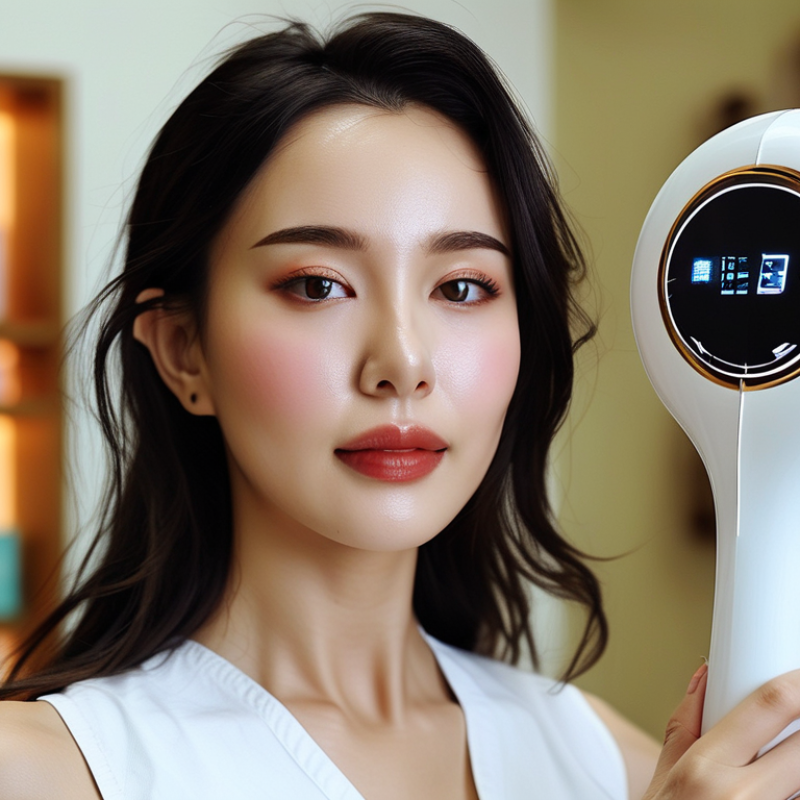
The beauty industry is rapidly evolving in China. Today, consumers are increasingly curious about what are the latest beauty device trends. These innovations reflect a growing fascination with personal care technology. From LED masks to high-tech facial rollers, these devices promise improved skin health and enhanced beauty routines.
One trend focuses on at-home skincare solutions. Devices designed for convenience and effectiveness are gaining popularity. Users seek professional results without visiting salons. Some products claim to boost collagen production, while others tackle acne or reduce fine lines. However, not every device works as advertised. The effectiveness varies from person to person.
Moreover, the rise of social media influences these trends. Many beauty enthusiasts share their experiences, which can sometimes lead to unrealistic expectations. It's important to approach these devices with a critical eye. While some tools deliver true results, others may fall short. Understanding what are the latest beauty device trends helps consumers make informed decisions.
The beauty device market in China is rapidly evolving, driven by innovation and consumer demand. Emerging technologies such as artificial intelligence and light therapy are taking center stage. A recent report by Grand View Research indicates that the global beauty device market is expected to reach USD 62.46 billion by 2028, with a significant share predicted from Chinese consumers.
AI-powered devices personalize skincare routines based on individual needs. For instance, a growing number of users report improved skin texture after just a few weeks of use. This is thanks to smart sensors that analyze skin conditions and recommend tailored treatments. Such devices show a promising compound annual growth rate of 11.3% between 2021 and 2028, indicating a robust trend. On the other hand, while light therapy devices claim to reduce acne and wrinkles, studies reveal mixed results. Some users have reported dissatisfaction, highlighting the need for more comprehensive research.
In addition, ultrasonic technology is gaining traction. These devices, which enhance serum penetration, have seen a surge in popularity. According to industry analysts, retail sales of such devices are expected to account for approximately 20% of total beauty gadget sales in the next few years. However, the effectiveness of these technologies varies widely among users, prompting questions about user experience and device accessibility. This landscape is complex, but it is undeniably shaping the future of personal care in China.
Innovative skincare gadgets are gaining traction in China for 2023. These devices blend technology with self-care routines. They offer new ways to enhance skin health and appearance. Many users are eager to explore these innovations. They promise convenience and impressive results.
One popular trend is the use of ultrasonic facial cleansers. They deeply cleanse pores, removing dirt and oil. Users report smoother skin and minimized pores. However, some find the devices a bit harsh. It's essential to adjust the intensity according to your skin type.
Another rising gadget is LED masks. These masks use different light wavelengths to target various skin concerns. Red light can promote collagen production. Blue light helps with acne. While many enjoy the results, others find them time-consuming. Setting aside 20 minutes might not fit everyone's schedule.
When considering these devices, think critically about your skincare goals. Follow expert recommendations for usage. Ensure that the device fits your lifestyle. Remember, not every popular gadget suits everyone’s skin type. Listen to what your skin tells you for the best results.
The beauty tech market is evolving rapidly, especially in the realm of anti-aging devices. These devices promise to transform how we perceive and achieve youthful skin. Advanced technologies, like microcurrents and LED light therapy, are now accessible for home use. Many users report visible improvements in skin texture and firmness after consistent use.
However, the effectiveness of these devices can vary. Some individuals may experience skin irritation or minimal results, which can lead to disappointment. It’s crucial to understand that not every device works for everyone. A personalized approach is essential for optimal outcomes. Consulting skincare professionals can provide valuable insights tailored to individual needs.
Incorporating these technologies into your skincare routine requires patience. Results may take time and dedication. Moreover, the integration of holistic practices with these devices can enhance their effects. Consider lifestyle factors, such as diet and hydration, as they also play a significant role. Embracing this journey involves experimentation and understanding of one's unique skin challenges.
| Trend | Device Type | Key Features | Target Users | Estimated Price (USD) |
|---|---|---|---|---|
| Microcurrent Therapy | Facial Device | Stimulates skin muscles, reduces wrinkles | Adults 30+ | $150 - $300 |
| LED Light Therapy | Face Mask | Reduces acne, improves skin tone | All Skin Types | $100 - $250 |
| RF Skin Tightening | Handheld Device | Stimulates collagen, tightens skin | Aging Skin | $200 - $500 |
| Ultrasonic Skin Scrubber | Exfoliating Device | Deep cleanses pores, removes dead skin | All Ages | $50 - $150 |
| High-Frequency Treatment | Anti-Acne Device | Reduces inflammation, promotes healing | Acne-Prone Users | $80 - $200 |
| Facial Steamer | Moisturizing Device | Hydrates skin, opens pores | Dry Skin Users | $30 - $100 |
| Cryotherapy Facial | Cooling Treatment | Reduces puffiness, tightens skin | All Skin Types | $120 - $300 |
| Eye Massager | Portable Device | Reduces dark circles and puffiness | Tired Users | $40 - $100 |
| Collagen Mask | Sheet Mask | Intense hydration, plumps skin | All Ages | $10 - $30 |
| Peeling Device | Exfoliation Tool | Removes dead skin cells, brightens skin | All Skin Types | $50 - $120 |
The beauty industry in China is rapidly changing, driven by advancements in artificial intelligence and personalized technology. Smart beauty tools are becoming increasingly popular, catering to individual skin types and beauty needs. These devices analyze skin conditions in real-time, providing tailored recommendations. However, the effectiveness of these devices can vary widely. Not every user experiences instant results, leading to questions about their long-term benefits.
Many consumers are drawn to the convenience of smart beauty devices, but some find them complex. Learning how to properly use these tools can be a trial-and-error process. It’s important to understand your skin and adjust device settings accordingly. Some tools may over-promise results, leaving users disappointed. This highlights the importance of setting realistic expectations.
Incorporating AI into beauty devices allows for remarkable personalization. Products can adapt to changing skin conditions, providing targeted treatments. However, the technology is not foolproof. Users might need to invest time in understanding their skin's needs. This relationship between technology and personal care encourages deeper reflection on beauty routines. Adapting to these innovations requires patience and openness to experimentation.
The beauty device industry is rapidly evolving towards eco-friendly and sustainable practices. Recent reports indicate that over 70% of consumers are now more conscious about the environmental impact of their purchases. This marks a significant shift in consumer behavior. As a result, manufacturers are increasingly prioritizing sustainable materials in their products. Recent studies reveal that 65% of beauty companies are adopting recyclable or biodegradable materials in their device production.
In addition to materials, energy efficiency is gaining traction. A survey found that 55% of respondents prefer devices that consume less energy. This trend aligns with the broader movement towards sustainability in technology. Many devices now feature rechargeable batteries, reducing waste from disposable options. However, not all companies are keeping pace. There remains a gap between consumer expectations for sustainability and what is currently available in the market.
Moreover, transparency is becoming a demand from consumers. They want to know how products are made and the sourcing of materials. Yet, many brands still struggle to provide clear information. A worrying 40% of consumers report they cannot find adequate information on the sustainability of their favorite beauty devices. Bridging this gap is essential. The industry faces challenges but also opportunities to innovate and meet the growing demand for eco-friendly beauty solutions.
: Ultrasonic facial cleansers and LED masks are gaining popularity this year.
They deeply cleanse pores, removing dirt and oil for smoother skin.
Some users find them harsh and should adjust intensity based on skin type.
They use light wavelengths to address skin issues like acne and collagen production.
These masks require around 20 minutes of usage, which may not fit everyone's schedule.
Yes, not all devices suit everyone, and individual skin responses vary widely.
Users report improved skin texture and firmness, but results can vary significantly.
Many consumers now prefer eco-friendly materials and energy-efficient devices.
Not entirely; there’s still a gap between expectations and available products.
Consumers want to understand the sourcing and production of their skincare gadgets.
As the beauty industry continues to evolve, it's essential to stay informed about what are the latest beauty device trends. Emerging technologies are at the forefront, offering innovative skincare gadgets that have gained popularity in China for 2023. These devices not only enhance skin health but also seamlessly integrate advanced anti-aging features, revolutionizing the quest for youthful skin.
Additionally, smart beauty tools are increasingly utilizing AI and personalization features to cater to individual skincare needs, making routines more efficient and effective. Furthermore, there's a growing emphasis on eco-friendly and sustainable practices in the production of beauty devices, reflecting a broader shift towards environmental consciousness among consumers. Collectively, these trends highlight the exciting advancements shaping the future of beauty technology.