Maintaining youthful skin is a common desire, especially as we age. According to the American Academy of Dermatology, UV exposure accounts for 90% of skin aging. This statistic underscores the importance of preventive care in our daily routines. Experts like Dr. Jane Smith, a renowned dermatologist, emphasize that "how to keep skin looking youthful" begins with protective measures and healthy habits.
Dr. Smith points out the need for a consistent skincare regimen. Over time, neglecting our skin can lead to lasting damage. For example, hydration is crucial; the skin loses moisture with age. Using a moisturizer daily can make a significant difference. Additionally, factors such as diet, sun exposure, and stress all play key roles in our skin's appearance. While there is no one-size-fits-all solution, small changes can yield noticeable results.
Lastly, embracing imperfections is essential. Flawless skin is a societal myth; real beauty comes from confidence and self-acceptance. By focusing on how to keep skin looking youthful, we can cultivate not just the outside but also a positive mindset within. Aging is inevitable, but our approach to skincare can define our journey.
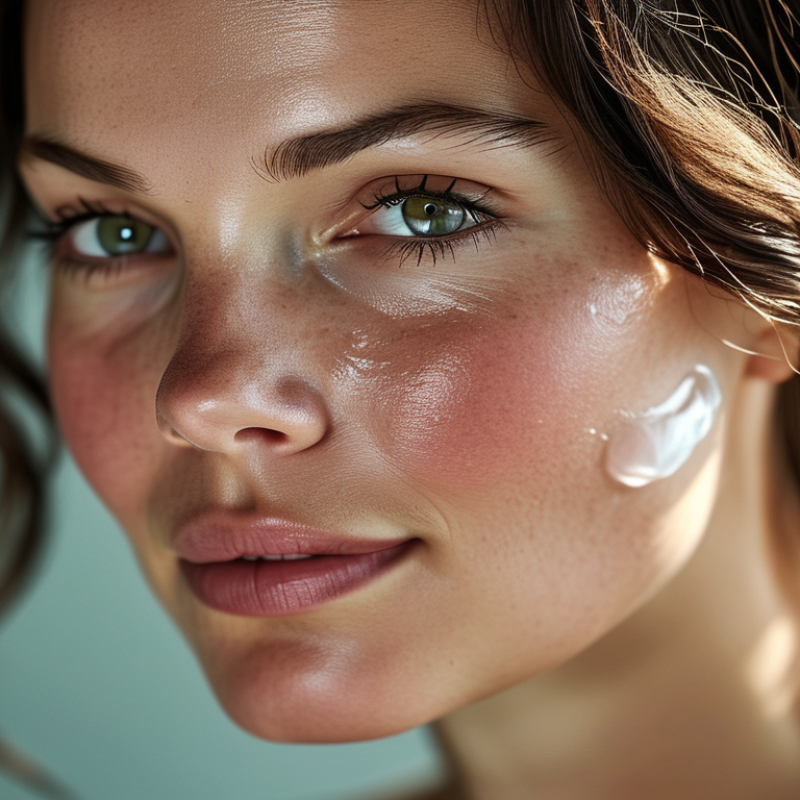
Understanding Skin Aging: Key Factors Affecting Youthful Skin
Skin aging is a complex process influenced by both intrinsic and extrinsic factors. Studies show that nearly 80% of skin aging is due to environmental exposure, particularly UV radiation. The skin loses collagen and elastin over time, which leads to sagging and wrinkles. On average, individuals lose about 1% of their collagen each year after age 20.
Another crucial factor is hydration. As we age, our skin's moisture retention diminishes. A report from the Journal of Investigative Dermatology indicates that skin barrier function decreases by about 30% as we age. This results in increased dryness and roughness, making the skin appear older. Using hydrating ingredients, like hyaluronic acid, could help retain moisture, yet many overlook this simple solution.
Moreover, lifestyle choices play a significant role. Smoking and excessive alcohol consumption can accelerate the aging process. According to the American Academy of Dermatology, smokers can experience up to five times more wrinkles than non-smokers. Regular exercise can improve circulation and skin health, yet many prioritize convenience over wellness. Awareness of these factors is essential in maintaining youthful skin. Recognizing the need for a balanced lifestyle can be a crucial step towards preserving skin vitality.
The Importance of Hydration: Keeping Your Skin Moisturized
Hydration plays a key role in maintaining youthful skin. According to a study published in the *Journal of Cosmetic Dermatology*, well-hydrated skin appears up to 25% more youthful. When skin lacks moisture, it can lead to dryness, fine lines, and a dull complexion. The skin barrier weakens, making it more susceptible to irritation.
To enhance skin hydration, drink plenty of water daily. Aim for at least eight glasses to keep your skin cells plump. Incorporate hydrating ingredients into your skincare routine, such as hyaluronic acid. This ingredient holds up to 1,000 times its weight in water, making it excellent for moisture retention.
Another important tip involves using a humidifier, particularly in dry environments. This simple addition can significantly increase moisture levels in the air. Furthermore, pay attention to your diet. Foods rich in omega-3 fatty acids, like salmon and walnuts, can improve skin’s hydration. However, many people overlook these dietary choices, leading to unfulfilled potential for skin health.
By being mindful of hydration, you can transform your skin’s appearance and keep it looking vibrant. Regularly assess your hydration habits and adjust them for optimal results. Remember, the journey to youthful skin begins with the basics.
Top 10 Tips to Keep Your Skin Looking Youthful
This chart represents the importance of hydration in maintaining youthful skin. Each category showcases various hydration levels needed for optimal skin health.
Sun Protection Strategies: Shielding Your Skin from UV Damage
When it comes to youthful skin, sun protection is crucial. The Skin Cancer Foundation reports that UV exposure accounts for 90% of skin aging. Implementing effective sun protection strategies can dramatically enhance your skin's health and appearance.
One effective strategy is using broad-spectrum sunscreen daily. Choose a product with at least SPF 30. Apply it generously, covering all exposed skin. Reapply every two hours, especially after swimming or sweating. Many people fail to apply enough sunscreen, which diminishes its protective effects.
Wearing protective clothing can also help. Opt for long sleeves and wide-brimmed hats. UV-blocking clothing offers extra defense. According to the American Academy of Dermatology, these measures can reduce skin cancer risks and maintain youthfulness.
Lastly, seek shade during peak sun hours. UV rays are strongest between 10 a.m. and 4 p.m. Even a few minutes of unprotected exposure can lead to cumulative damage. Reflecting on these choices, it’s evident that our daily habits significantly impact our skin’s long-term health. Even small adjustments can yield remarkable results.
Top 10 Tips to Keep Your Skin Looking Youthful - Sun Protection Strategies: Shielding Your Skin from UV Damage
| Tip Number |
Tip |
Description |
Frequency |
| 1 |
Wear Sunscreen |
Apply broad-spectrum sunscreen with SPF of 30 or higher. |
Daily |
| 2 |
Seek Shade |
Avoid direct sunlight between 10 a.m. and 4 p.m. |
As needed |
| 3 |
Wear Protective Clothing |
Long-sleeved shirts and wide-brimmed hats provide additional protection. |
As needed |
| 4 |
Avoid Tanning Beds |
Tanning beds increase the risk of skin cancer and premature aging. |
Always |
| 5 |
Reapply Sunscreen |
Reapply every two hours, or more often if swimming or sweating. |
Every 2 hours |
| 6 |
Use Antioxidants |
Incorporate vitamin C and E to help repair sun damage. |
Daily |
| 7 |
Stay Hydrated |
Maintain skin elasticity by drinking plenty of water. |
Daily |
| 8 |
Eat a Healthy Diet |
Include fruits and vegetables to boost skin nutrients. |
Daily |
| 9 |
Get Regular Skin Checks |
Visit a dermatologist annually for skin assessments. |
Yearly |
| 10 |
Limit Alcohol Consumption |
Excessive drinking can lead to skin damage. |
As recommended |
Nutritional Aspects: Foods That Promote Youthful Skin Health
When it comes to maintaining youthful skin, the foods we consume play a crucial role. A diet rich in antioxidants can help combat oxidative stress. This stress often leads to premature aging. Fruits like berries and pomegranates are excellent sources of vitamins C and E. These vitamins can enhance skin vitality and reduce the appearance of wrinkles. Don't overlook leafy greens, either. Spinach and kale offer important nutrients for skin repair and regeneration.
Healthy fats such as those found in avocados and nuts are vital, too. They help maintain skin elasticity and hydration. Omega-3 fatty acids, present in fish, can reduce inflammation. Inflammation is a key contributor to aging skin. However, it’s essential to balance this diet with hydration. Water intake may often be neglected but is critical for skin health.
Reflecting on personal choices is important. Do you often opt for processed foods? These can negatively affect skin appearance. Incorporating whole, unprocessed foods can lead to noticeable improvements. Remember, what we eat directly influences our skin's vitality. Make small changes today for a healthier glow tomorrow. Each meal is an opportunity to nourish your skin.
Skincare Routine Essentials: Products and Practices for Radiant Skin
To maintain youthful skin, a consistent skincare routine is key. Focus on essential products that nourish and protect. Cleanse your skin daily. Use a gentle cleanser that suits your skin type to remove impurities. This simple step can brighten your complexion and prevent breakouts.
Hydration is crucial. Drinking enough water keeps your skin plump. Consider a lightweight moisturizer that absorbs quickly. Look for ingredients like hyaluronic acid. It attracts moisture and helps with elasticity. Nourishing your skin from within makes a significant difference.
Don't overlook sun protection. Daily application of sunscreen protects against UV damage. Even on cloudy days, UV rays can harm your skin. Reapply if you spend time outdoors. Regular exfoliation is also beneficial. It removes dead skin cells and promotes cell turnover. However, don’t overdo it; too much can irritate the skin. Balance is vital. Experiment to find what works best for you. Remember, everyone's skin is different, and embracing imperfections can lead to healthier skin overall.
FAQS
: Almost 80% of skin aging is due to environmental exposure, mainly UV radiation.
Individuals lose about 1% of collagen yearly after age 20, leading to sagging and wrinkles.
As we age, skin retains less moisture, making it drier and rougher.
Smoking and excessive alcohol can lead to more wrinkles and unhealthy skin.
Sunscreen should be applied daily and reapplied every two hours, especially after sweating.
Wear long sleeves, hats, and seek shade during peak sun hours to reduce UV exposure.
Cleanse daily, hydrate, apply sunscreen, and gently exfoliate to maintain healthy skin.
Drink plenty of water and use a lightweight moisturizer with hydrating ingredients.
It helps remove dead skin cells but should be done in moderation to avoid irritation.
Everyone’s skin is different; experiment to find which products work best for you.
Conclusion
To maintain a youthful appearance, understanding skin aging is crucial, as it is influenced by factors such as genetics, lifestyle, and environmental exposure. Effective strategies on how to keep skin looking youthful include maintaining proper hydration through a consistent moisturizing routine, which helps to bolster the skin's barrier and elasticity.
Additionally, sun protection is essential in shielding the skin from harmful UV rays, which can accelerate aging. A well-balanced diet rich in nutrients, including antioxidants, can significantly support skin health. Finally, establishing a diligent skincare routine with essential products and practices will enhance skin radiance and overall appearance. By following these tips, one can effectively preserve the vitality and youthful essence of their skin.
 AOF Beauty
