2026 Best Smart Beauty Devices Why Are They Popular?

Time:2026-09-17 Author:Aria
0%

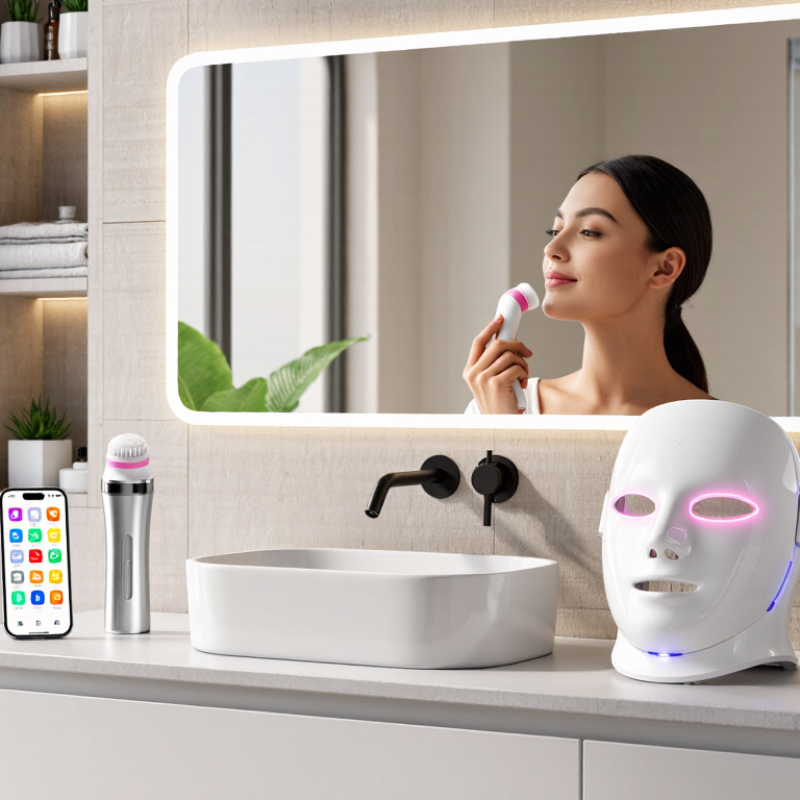
Smart beauty devices are moving from specialist counters into everyday bathrooms. A connected cleansing brush, LED mask, or skin analyzer can now measure, guide, and record a routine within minutes. This shift raises an important question: why are smart beauty devices becoming popular? Convenience is one answer. Personalization is another. Users increasingly want visible guidance, not vague promises.

McKinsey & Company reported that the global beauty market could approach $580 billion by 2027, with continued growth across skincare and at-home solutions. Grand View Research also identifies rising demand for home-use beauty devices, supported by digital connectivity and consumer interest in personalized care. These reports do not prove that every device delivers better results. They do show a broader commercial movement toward technology-assisted self-care. A phone-connected LED mask, for example, can remind users about treatment time and store routine data. That feels practical after a long workday.

The strongest products combine clear instructions, credible testing, and responsible claims. The weakest ones may confuse novelty with performance. That distinction matters. Professional dermatology guidance remains valuable, especially for sensitive skin or persistent concerns. Data privacy also deserves attention when an app collects facial images or health-related information. This market is expanding quickly, but consumer trust cannot be manufactured by glowing screens alone. The 2026 smart beauty landscape will likely reward brands that explain limitations, publish evidence, and design devices people can use consistently. Convenience attracts buyers. Reliability keeps them.

2026 Best Smart Beauty Devices Why Are They Popular?

What Are Smart Beauty Devices?

Smart beauty devices are connected tools for more measurable, guided, or automated skincare. They may use LED light, microcurrent, temperature control, cleansing vibration, cameras, or skin sensors. An app can record routines and suggest timing or intensity. In daily use, the device turns a bathroom mirror into a small feedback system. It does not diagnose skin disease. It should not replace a licensed dermatologist. The Global Wellness Institute’s 2024 Global Wellness Economy Monitor valued wellness at $6.3 trillion in 2023. McKinsey’s 2024 Future of Wellness research also estimated the sector at about $1.8 trillion. These figures explain the excitement, but market growth does not prove every beauty claim.

Tips: Look for clear instructions, safety testing, and transparent data policies. Check whether the device suits your skin sensitivity. Clean contact surfaces after every session. Do not choose higher settings because they feel stronger. Follow the recommended session time. People with light sensitivity, active skin conditions, or implanted electronic devices should seek professional advice first. The U.S. Food and Drug Administration notes that many cosmetic products do not require premarket approval. Consumers must therefore examine evidence carefully. A polished app can still offer weak recommendations. Some studies are small, brief, or funded by sellers. Ask who tested the device and how results were measured.

Smart does not always mean better. A skin score can change with lighting, hydration, or camera angle. I would treat it as a trend, not a medical fact. The category remains promising, yet its standards are uneven. Independent testing and longer follow-up are still needed.

How Do Smart Beauty Devices Work?

Smart beauty devices work by combining controlled energy, sensors, and software. A facial device may use LED light, gentle heat, microcurrent, vibration, or ultrasonic movement. Each method targets a different surface-level beauty concern. LED systems emit specific wavelengths across the skin. Thermal systems warm the outer layer gradually. Microcurrent devices deliver low electrical pulses through conductive gel or damp skin.

Sensors add the “smart” element. They can measure contact, temperature, pressure, or skin moisture. An app then adjusts intensity, records usage, and suggests treatment times. This sounds precise, but it is not magic. Home sensors often read the skin’s surface rather than deeper tissue. Results can also change with hydration, sleep, cleansing, and room temperature.

Industry data explains the growing interest. Grand View Research’s 2024 Beauty Devices Market report estimated the global market at about 35 billion US dollars in 2023, with strong growth expected through 2030. McKinsey’s 2023 beauty market analysis also identified technology-enabled personalization as an important consumer trend. Yet convenience may encourage overuse. More sessions do not always mean better results. In practical testing, a device can feel comfortable while still irritating sensitive skin. Users should follow tested exposure limits, clean contact surfaces, and stop when persistent redness or pain appears. Evidence remains uneven for some home technologies. That gap deserves more honest attention.

Which Features Define the Best Devices in 2026?

The best smart beauty devices in 2026 will be judged by useful features, not glowing screens.

McKinsey’s Future of Wellness 2024 report values the global wellness market at $1.8 trillion. It also identifies personalization and proven results as major consumer priorities. A strong device should measure skin conditions, adjust intensity, and explain each recommendation clearly. It should not pretend to replace professional care.

Safety is a defining feature. Users need timed sessions, temperature controls, automatic shutoff, and clear warnings for sensitive skin. Independent testing matters more than attractive packaging. The U.S. Food and Drug Administration notes that authorization does not automatically prove every marketing claim. That distinction deserves attention. Real evidence can be less exciting.

Ease of use also shapes daily results. A device that fits comfortably in one hand, charges quickly, and cleans without tiny gaps is more likely to become a habit. NIQ’s State of Beauty 2024 report shows continued consumer interest in products combining efficacy, convenience, and value. Data privacy should be visible too, especially when apps collect facial images or health-related information. Sustainable materials, replaceable parts, and repair options add practical value. Connectivity helps, but sometimes it creates needless complexity. That is an overlooked weakness.

Why Are Smart Beauty Devices Becoming Popular?

Why Are Smart Beauty Devices Becoming Popular?

Smart beauty devices are becoming popular because they make personal care feel more guided and measurable. Sensors can estimate skin moisture, surface oil, or treatment time. Connected apps then suggest routines based on those readings. In my experience, this feedback makes daily care easier to follow. A small progress chart can encourage consistency. That matters because many beauty routines fail through irregular use, not lack of interest.

Convenience is another strong reason. A compact device can fit beside a bathroom mirror. Short sessions may suit people with busy schedules. Gentle light, warming functions, or cleansing vibrations can create a more controlled experience. However, “smart” does not mean perfect. Skin readings may change with lighting, temperature, or recent product use. An app can also recommend more steps than someone truly needs.

Reliable use requires practical judgment. Users should check safety instructions, skin compatibility, cleaning requirements, and recommended treatment limits. Professional guidance is sensible for persistent irritation or existing skin conditions. Clear data policies also matter, especially when an app stores photographs or personal routines. These devices may support skincare, but they cannot replace sleep, sun protection, or advice from a qualified professional. Results can be subtle. Patience is necessary.

How Can Consumers Choose and Use Them Safely?

Smart beauty devices can make skincare more measurable, but safe use matters more than novelty. Consumers should check the device’s intended purpose, adjustable intensity, cleaning method, and safety certification for their country. Clear instructions are essential. Vague promises deserve caution.

Before using a light, heat, current, or micro-vibration device, read the manual carefully. Remove makeup and clean the contact surface. Start with the lowest setting and a short session. A patch test can expose irritation before it spreads across the face. Keep devices away from broken skin, active rashes, and the eyes unless the instructions specifically allow use there. People with implanted electronic medical devices, photosensitivity, or ongoing skin treatment should ask a qualified clinician first.

Small habits prevent larger problems. Disinfect the surface as directed, but do not soak electronic parts. Never share a device without proper cleaning. Stop immediately if you feel burning, sharp pain, unusual swelling, or lasting redness. Give the skin time to recover between sessions. More frequent use is not automatically better. I once thought stronger settings would produce faster results; that assumption was careless. Skin can look calm at first and react hours later. Keep a simple usage record, including intensity and skin response. It helps separate genuine improvement from temporary brightness. Also review app permissions and avoid uploading sensitive images without understanding how they are stored.

2026 Best Smart Beauty Devices: Why Are They Popular?

The global beauty devices market is projected to grow strongly, supported by demand for convenient, personalized, and connected at-home skincare. Market estimates indicate growth from approximately US$39.3 billion in 2023 at an estimated 19.3% compound annual growth rate. Consumers should still check regulatory authorization, follow the user manual, protect their eyes and skin, avoid use on unsuitable conditions, and stop immediately if severe irritation occurs. Market growth does not guarantee that every device is safe or effective.

Source: Grand View Research, Beauty Devices Market Size, Share & Trends Analysis Report. Values for 2024–2030 are calculated using the reported 19.3% CAGR.

FAQS

What are smart beauty devices?

They are connected skincare tools using light, heat, current, vibration, cameras, or skin sensors. An app may record sessions and suggest timing. They do not diagnose skin disease.

How do these devices work?

Controlled energy targets surface-level concerns. Sensors may measure contact, pressure, temperature, or moisture. Software then records usage or adjusts intensity. It is helpful, not magic.

Can a skin score provide medical information?

Usually, it shows a trend rather than a medical fact. Lighting, hydration, sleep, and camera angle can change the result. Treat the score cautiously.

How should someone begin using a device?

Read the instructions and clean your skin first. Start with the lowest setting and a short session. A small patch test may reveal irritation early. Begin gently.

Which areas should users avoid?

Keep devices away from broken skin, active rashes, and the eyes. Use them near the eyes only when instructions clearly permit it. Stop if burning, sharp pain, swelling, or lasting redness appears.

Who should seek professional advice before use?

People with light sensitivity, active skin conditions, or implanted electronic devices should ask a qualified clinician. Those receiving ongoing skin treatment should also check beforehand. Safety comes before novelty.

Does stronger or more frequent use create better results?

No. Higher settings may irritate skin without improving results. More sessions are not automatically better. Skin may react hours later. I once assumed stronger meant faster, and that was careless.

How can users protect privacy and device hygiene?

Clean contact surfaces after every session, following the device instructions. Do not soak electronic parts. Avoid sharing devices without proper cleaning. Review app permissions before uploading facial images.

Conclusion

Smart beauty devices are connected tools designed to support skincare, haircare, and personal grooming through sensors, adjustable settings, and guided digital functions. They may analyze skin conditions, deliver light or gentle stimulation, track routines, or provide personalized recommendations. The best devices in 2026 are defined by accurate sensing, user-friendly controls, effective performance, comfortable design, reliable data protection, and clear safety guidance. Their value comes from combining beauty routines with practical technology, helping users make more informed and consistent choices at home.

Why are smart beauty devices becoming popular? Consumers increasingly want convenient, personalized, and measurable self-care experiences that fit busy lifestyles. These devices can help users monitor progress, adjust routines, and reduce guesswork without requiring complicated procedures. However, choosing safely is essential. Consumers should check the device’s intended use, operating instructions, safety certifications where applicable, maintenance requirements, and compatibility with their individual needs. They should begin with recommended settings, avoid overuse, protect sensitive areas, and stop using the device if discomfort or irritation occurs.

Aria

Aria

Aria is a dedicated marketing professional with a deep passion for innovative strategies and a keen understanding of our company's product offerings. With a wealth of experience in the industry, Aria excels at crafting engaging content that highlights the unique features and benefits of our......