AOF Beauty
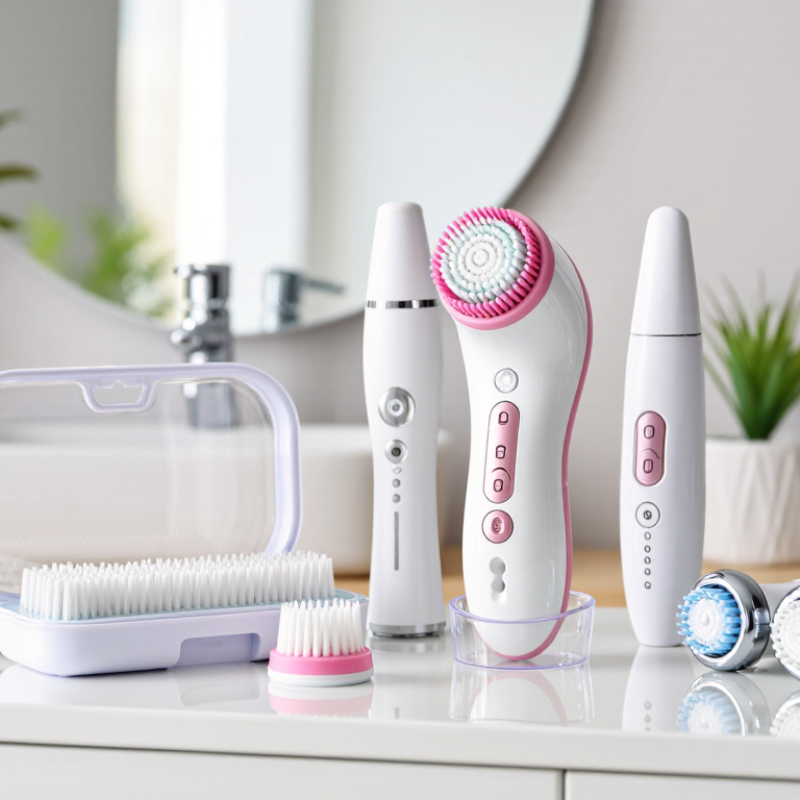
A beauty device once promised a simple upgrade: smoother skin, faster styling, or a more convenient routine. Today, shoppers look beyond the headline claim. They may compare a facial cleansing brush beside their bathroom sink, check whether its settings suit sensitive skin, and wonder how difficult it will be to clean after use. These details shape what consumers expect from modern beauty devices. Performance matters, but so do comfort, clear instructions, reliable construction, and honest information about results.
That is a higher bar. And a reasonable one. People want technology that fits real routines, not another complicated gadget left in a drawer. They expect useful features, manageable maintenance, and claims that match what the device can realistically do. Expert guidance and transparent product information can help consumers judge those claims, though no feature guarantees the same outcome for everyone. Skin type, technique, and consistency still matter. Sometimes, the most valuable feature is a simple control that is easy to understand.
This article explores how beauty-device expectations are changing, from personalization and ease of use to safety information and long-term value. It also considers a less comfortable question: are consumers asking for better tools, or expecting technology to solve problems it cannot solve alone? The answer is not always neat. Still, examining both sides can help shoppers make more informed choices—and help brands focus on practical improvements rather than impressive-sounding promises.
A basic beauty device had one clear job: warm, vibrate, cleanse, or direct light at the skin. Its controls were usually simple, and results depended on how consistently someone used it. Today, many devices connect to mobile apps, record session times, and adjust settings. The tool is becoming part of a wider system.
That shift can make routines more personalized. A connected device may suggest a gentler setting after a shorter session, or remind users when they last used it. Small details matter: a damp bathroom counter, a fading battery, or an app that takes too long to open. Convenience is not automatic. Sometimes the old button was easier.
Sensors and app-based guidance can also help users follow instructions more consistently. Still, a device cannot reliably assess every skin concern, and its feedback should not replace advice from a qualified professional. Good design makes settings and limitations clear, rather than implying guaranteed results. Data handling deserves attention, too; users should be able to understand what is collected and why. More connected does not always mean better. A useful device should fit real habits, feel straightforward in the hand, and offer guidance people can question.
Why Do Consumers Expect More From Modern Beauty Devices?
A small screen can make a beauty routine feel like a laboratory. Many modern devices now show treatment time, intensity, temperature, or skin readings. These details create a stronger expectation: users want visible change and measurable proof. A smoother texture, reduced puffiness, or a more even appearance feels more convincing when progress appears on a chart.
Technology also changes how people judge results. Before using a device, consumers may photograph their skin under the same bathroom light. After several sessions, they compare images, notes, and comfort levels. This habit can reveal gradual changes that a mirror misses. However, lighting, camera distance, hydration, and sleep can distort comparisons. Numbers can look precise without being fully meaningful.
Realistic guidance matters. Skin responds differently because of age, sensitivity, routine, and environmental exposure. A device may support temporary improvements, but it cannot guarantee identical results for every user. I have found that consistent use often matters more than maximum intensity. Still, this is not a perfect rule. Some people may follow instructions carefully and notice little change. That experience deserves attention, not dismissal. Clear testing methods, transparent limitations, and repeatable measurements help technology build trust without turning hope into a promise.
| Technology or method | What can be measured | Typical measurement or unit | What the result can tell a consumer | Important limitation |
|---|---|---|---|---|
| Standardized facial photography | Visible features such as spots, redness, and wrinkle appearance | Images compared under consistent lighting, camera distance, angle, and facial expression | Whether appearance changes are visible across before-and-after images | Lighting, makeup, camera processing, and pose can make images look different without a true skin change. |
| Skin hydration measurement | Water-related changes in the outer skin layer | Electrical capacitance or conductance; readings are commonly reported in device-specific units | Whether skin-surface hydration changes under the measurement conditions | Readings vary with device, room conditions, product residue, and measurement location; units are not necessarily comparable between devices. |
| Transepidermal water loss (TEWL) | Water vapor passing from the skin to the surrounding air | Usually expressed in g/m²/h | A measurement relevant to assessing the skin barrier under controlled conditions | Temperature, humidity, airflow, acclimation time, and the measurement site can affect results. |
| Colorimetry or reflectance measurement | Changes in measured skin color, including redness or pigmentation-related appearance | Instrument-specific color values or indices | Whether a measured color difference is detectable in the tested area | A color reading does not by itself establish the cause of the change or predict how noticeable it will be to every observer. |
| Skin-surface profilometry | Surface topography, including the depth or roughness of measured lines | Micrometers (µm) or other instrument-specific roughness parameters | Whether a defined skin area shows a measured change in surface texture | Results depend on the selected area, sampling method, and analysis settings; a small instrument reading may not correspond to a noticeable overall change. |
| Device temperature monitoring | Temperature at the device or skin-contact surface | Degrees Celsius (°C) | Whether the device operates within its stated temperature range during use | A temperature reading alone does not demonstrate a cosmetic benefit or establish that a treatment is suitable for every user. |
| Light-output measurement | Wavelength and optical output delivered by a light-based device | Wavelength in nanometers (nm); irradiance may be reported in mW/cm² and radiant exposure in J/cm² | Technical information about the light emitted and, when measured, the exposure delivered | Output specifications do not, on their own, prove visible effectiveness; outcomes depend on device design, use, and supporting clinical evidence. |
| Validated clinical grading scales | Clinician-rated features such as wrinkle severity, acne lesions, or redness | A defined ordinal scale with stated criteria and trained assessors | Whether trained evaluators rate a feature differently over time using the same assessment method | Scales are condition-specific; ratings can involve assessor variability and should be interpreted alongside the study design and other outcomes. |
Interpretation note: Measurement methods and units are established in skin research and device testing, but there is no single universal metric for “beauty results.” A numerical reading is most useful when the method, conditions, comparison period, and meaningful level of change are clearly stated.
At-home beauty treatments should feel manageable, not mysterious. Before using a device, I check its instructions, treatment area, and recommended settings. Clean, dry skin matters because creams, sweat, or makeup can increase irritation. Small details matter. A patch test on a discreet area can reveal unexpected redness or sensitivity before a full session. It is also wise to remove jewelry, protect the eyes when directed, and keep devices away from water unless they are specifically designed for it.
Comfort is useful feedback, not a challenge to overcome. Mild warmth may be expected, but sharp pain, blistering, swelling, or persistent redness means stopping immediately. Pain is not progress. Users should avoid treating broken, infected, or freshly irritated skin. People with certain medical conditions, implanted devices, or medications that increase light sensitivity should ask a qualified healthcare professional before treatment. Manufacturer guidance cannot replace individual medical advice.
Ease of use also includes cleaning and storage. I wipe contact surfaces as instructed, allow them to dry, and store the device away from children. I admit I have sometimes rushed a session and skipped a careful skin check. That shortcut felt harmless, but it weakened the safety routine. Clear controls, automatic shutoff, and realistic treatment schedules reduce mistakes, though no feature removes the need for attention. Consistent, gentle use is usually more sensible than increasing intensity too quickly.
Consumers now expect beauty devices to behave less like appliances and more like attentive coaches. Personalization drives this shift. McKinsey research reports that 71% of consumers expect personalized interactions, while 76% feel frustrated when companies miss that expectation. A device that remembers sensitivity, treatment time, and preferred intensity feels more useful than a fixed setting.
Smart features make personalization visible. A connected device might scan skin conditions, suggest a shorter session, or reduce intensity after detecting dryness. It may also send a reminder when routines become inconsistent. Deloitte’s 2024 Connected Consumer Survey shows that consumers increasingly use connected technology for daily convenience and personal control. In beauty, this means simple feedback can influence purchase decisions. Clear progress charts help users understand whether a routine is working.
However, smarter does not always mean better. A skin score can look precise while relying on poor lighting or inconsistent phone cameras. That weakness matters. Consumers need readable explanations, adjustable settings, and honest limits. Privacy also deserves attention, especially when apps collect photos or routine data. According to McKinsey’s research, personalization must create value without feeling intrusive. The best devices probably will not make every decision automatically. They will offer useful suggestions, let users override them, and learn from real behavior rather than one rushed scan. Small imperfections remain. That may be healthier than promising flawless results.
Consumers now expect beauty devices to fit real routines, not just look advanced on a bathroom shelf. A tool used before work should be ready quickly, feel comfortable, and clean without a complicated routine. Small details matter: a clear battery indicator, a washable attachment, or controls that work with damp hands. Convenience has become part of performance.
These expectations push designers to improve more than power or appearance. Sensors may adjust heat or intensity, while timers and simple displays help users follow consistent routines. But more features do not always mean better results. People want understandable guidance, realistic claims, and devices that feel dependable after months of use. They also expect products to suit different skin sensitivities and experience levels, which calls for careful testing and clear instructions. That takes work.
There is a tension here. Consumers often ask for personalization, speed, and low prices at once, though those goals can conflict. A device that tracks every setting may feel reassuring to one person and intrusive to another. Designers need to listen to user feedback, then explain what a device can—and cannot—do. Even a thoughtful product may miss something. The next useful innovation may be quieter operation, easier cleaning, or a more honest progress indicator, rather than another mode.
Many now connect to apps, track session times, and adjust settings. They have become part of a wider routine.
No. A fading battery or slow app can be frustrating. Sometimes, a simple button works better.
Sensors can offer guidance, but they cannot assess every skin concern. Their feedback should not replace professional advice.
Read the instructions, check the treatment area and settings, and use clean, dry skin. A small patch test can reveal sensitivity.
Stop if you feel sharp pain or notice blistering, swelling, or persistent redness. Pain is not progress.
People with certain medical conditions, implanted devices, or medications that increase light sensitivity should consult a qualified healthcare professional.
Look for clear controls, a visible battery indicator, and simple cleaning steps. Keep the device clean and store it away from children.
Not necessarily. Clear instructions and realistic claims matter more than extra modes. I may still want one more setting, though.
Check what information the app collects and why. More connected does not always mean better.
Modern beauty devices have evolved from simple, manually operated tools into connected systems that can guide routines and track progress. As technology becomes part of everyday skincare, consumers increasingly look for results they can see and measure, along with clear guidance on how to use a device consistently. This shift helps explain what consumers expect from modern beauty devices: more than convenience, they want useful feedback and a treatment experience that feels reliable.
Safety and ease of use are equally important, especially for at-home treatments. Straightforward instructions, comfortable operation, and features tailored to individual needs can help people feel more confident about choosing and using a device. Personalization and smart functions may make routines feel more relevant, while also raising expectations for thoughtful design. In turn, consumers’ demand for visible progress, accessible guidance, and user-friendly experiences encourages continued innovation in beauty devices.