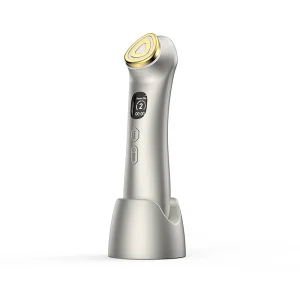
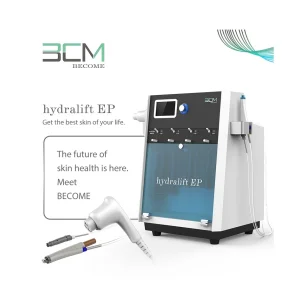
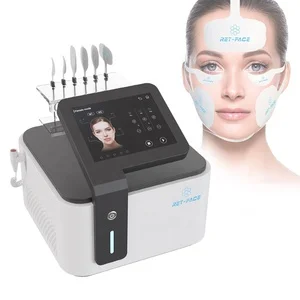
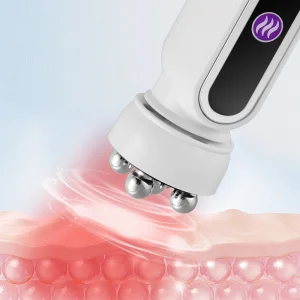
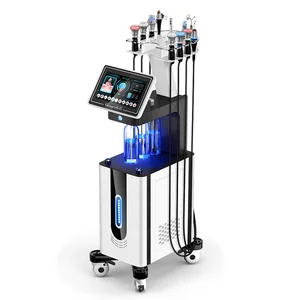
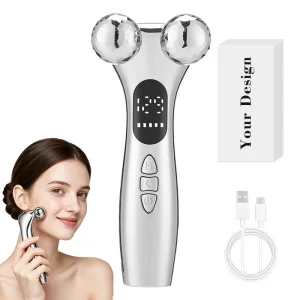
Explore our flagship personal care and micro-electronic systems developed under strict ISO and CE compliance standards.
Analyzing the intersection of electronic atomization, micro-electromechanical systems (MEMS), and medical-grade personal care production lines.
Information Gain Insight: Modern aromatherapy diffusers and smart facial care products share over 75% of their core technical architecture—specifically ultrasonic transducers, precision micro-heaters, power management PCBs, and premium biological-grade plastic casings (such as corrosion-resistant PP and medical-grade silicone). Top factories are pivoting from single-category assembly lines to integrated smart wellness hardware campuses.
At the core of premium diffusers and facial nebulizers lies the ceramic atomization disc. Operatively tuned between 1.7 MHz and 2.4 MHz, these components convert fluid molecules into aerosolized vapors without structural degradation from essential oil exposure.
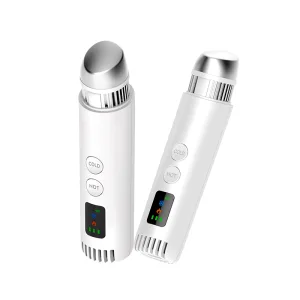
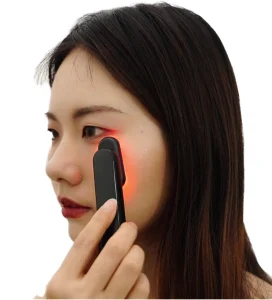
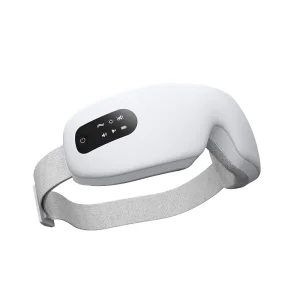
Whether implementing warm-mist diffusion or heat-assisted eye massaging systems, precision thermal regulation ensures structural safety, prolonged electronic lifespan, and standardized therapeutic temperatures.
Using raw materials such as premium poly-carbonate (PC) and polypropylene (PP) compounded with elastomer sealing rings, tier-one manufacturers prevent leaks and ensure continuous compatibility with diverse chemical viscosities.
The technological progression of aromatherapy diffusers and home skin-wellness systems is heavily focused on biological monitoring, automation, and environmental intelligence. As the consumer wellness segment matures, standard plug-and-play devices are evolving into connected smart home ecosystems.
IoT-Enabled Environmental Sensing: Future architectures integrate particulate sensors (PM2.5), relative humidity sensors, and VOC detectors. Hardware algorithms auto-adjust atomization speed to maintain homeostasis in closed spaces.
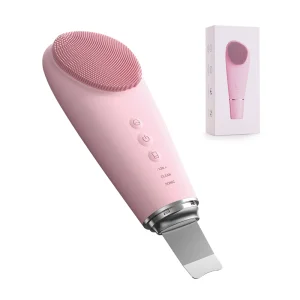
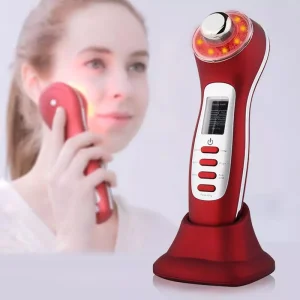
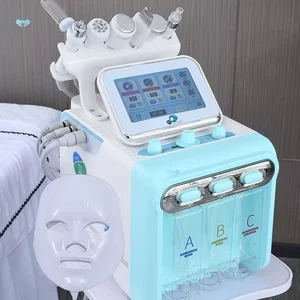
Hybrid Wellness Systems: Manufacturers like Guangzhou AOF Beauty Co., Ltd. are fusing light therapy (LED), acoustic vibration, and aerosol generation to build immersive therapeutic machines that address respiratory, olfactory, and epidermal systems concurrently.
How Chinese high-tech hubs optimize production overhead, minimize defects, and secure raw component sourcing.
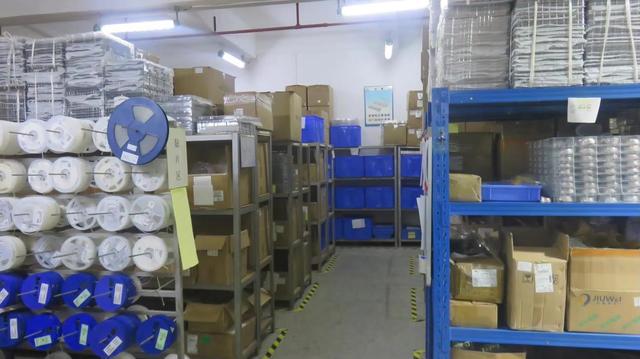
From raw plastic granular extrusion and PCB mounting (SMT lines) to final cleanroom assembly, leading hubs in Guangdong province house the entire manufacturing cycle under single rooftops, reducing internal logistics latency.
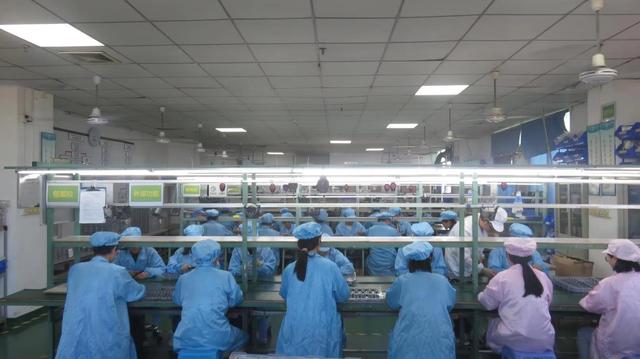
Equipped with robotic test rigs, modern assembly floors enforce 100% aging tests on battery packs, continuous 24-hour ultrasonic wave emission tests, and digital leak verification processes prior to distribution.
Custom OEM mold development takes under 25 days. With CAD/CAM modeling and advanced CNC mills, design iterations are verified fast, supporting dynamic, trend-sensitive global wellness brands.
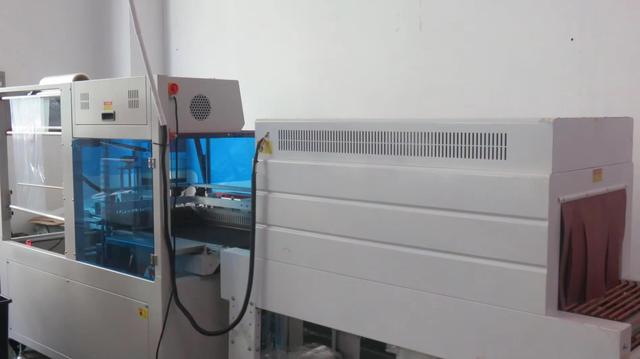
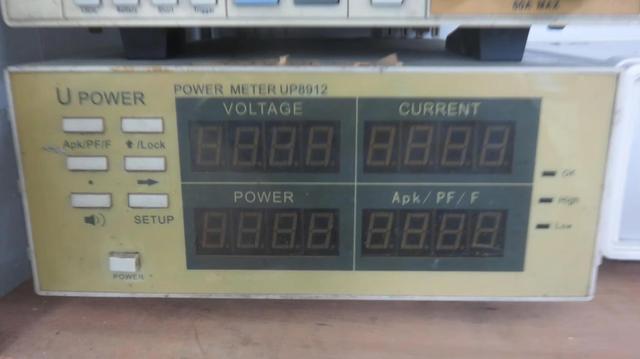
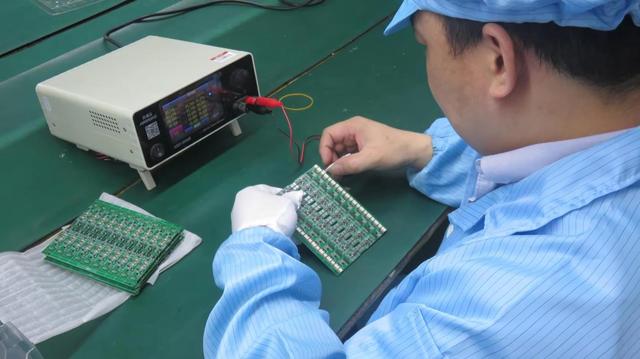
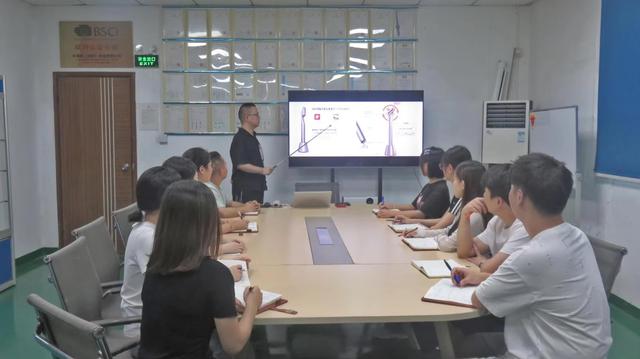
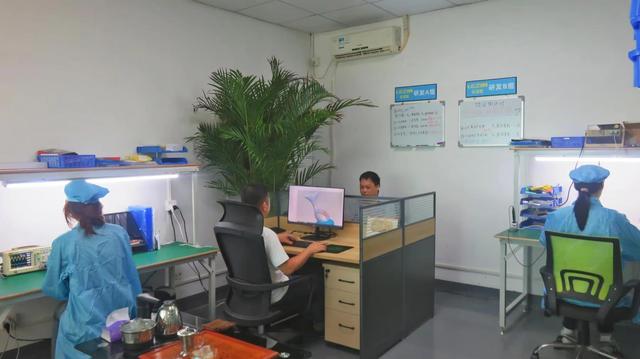
Inside our advanced ISO-compliant manufacturing lines, testing labs, and assembly corridors dedicated to global consumer wellness electronics.
Scaling premium therapeutic hardware into international distribution pipelines requires complex engineering controls and risk mitigations. From raw material auditing to eco-friendly retail presentation packaging, top manufacturers manage multiple engineering vectors.
Global Logistics and Custom Freight: Providing optimized DDP/FOB terms, shipping directly to Amazon FBA warehouses, regional distribution hubs, and retail points of sale with full tracking integration.
Eco-Conscious Development: Implementing post-consumer recycled (PCR) plastics, biodegradable packaging sleeves, and energy-efficient electronic chip architectures to satisfy regional sustainability goals.
Navigating complex international certifications for electrical appliances, chemical exposure, and consumer safety.
Electro-magnetic emission safety testing ensures zero wireless interference with home networks and medical support devices, ensuring direct access to North American and European Union marketplaces.
Restricting hazardous substances in high-impact plastic formulations and solder joints protects consumer wellness and meets stringent eco-toxicological guidelines.
Comprehensive battery and thermal circuit validation tests prevent thermal runaways and electrical overload hazards in lithium-ion based portable units.
Crucial manufacturing evaluation criteria to guide international procurement directors.
Ensure clear legal agreements regarding private mold investment, protecting proprietary shape designs and preventing duplicate industrial distribution in third-party markets.
Verify whether transducers are titanium-coated or premium ceramic alloys. Titanium protection layer increases resistant properties against essential oils, extending MTBF (Mean Time Between Failures) to over 5,000 continuous hours.
Confirm physical separation between the water reservoir containment walls and the internal driver circuitry to eliminate humidity ingress risk and electrical shorts.
Answering the technical, operational, and regulatory questions critical to B2B buyers and brands.
For custom enclosure finishes or simple silk-screen logo placement, MOQ typically begins at 1,000 units. For complex modifications (custom private tooling, unique PCB layouts, or specific firmware modifications), the baseline MOQ standardizes around 3,000 to 5,000 units, depending on mold complexity.
We use high-purity Polypropylene (PP) polymers for all internal containment tanks and fluid conduits. Standard ABS plastics are highly susceptible to chemical breakdown by specific essential oil compounds, whereas high-grade PP exhibits complete chemical inertness to pure concentrations.
All integrated lithium battery packs undergo comprehensive thermal chamber testing (temperatures up to 60°C), physical drop verification, overcharging containment circuit testing, and short-circuit protection confirmation. We only source cells that hold IEC 62133 and UN38.3 certifications.
We use positive temperature coefficient (PTC) heating elements paired with digital NTC thermistor arrays. The system monitors contact surface temperatures continuously, maintaining heat parameters within a strict ±1°C safety boundary.
Yes. By restructuring the internal airflow chambers and adding acoustic vibration-damping silicone feet, we achieve operating decibel scores under 28dB, satisfying quiet bedroom and spa compliance requirements.
Imports require CE mark, FCC compliance verification, RoHS directive compliance, and UL/ETL safety certifications. In specific health-related skincare applications, FDA registration for Class I/II devices is required, which our quality control team facilitates.
We provide a lifetime guarantee on all customized injection molds developed in-house, assuming production runs occur on our lines. We cover all mold cleaning, regular maintenance, and structural repair overheads.
Our software engineers design customized embedded solutions for Bluetooth BLE and Wi-Fi chipsets. We collaborate with brand developers to integrate customized API hooks, allowing integration into proprietary smart-home applications.
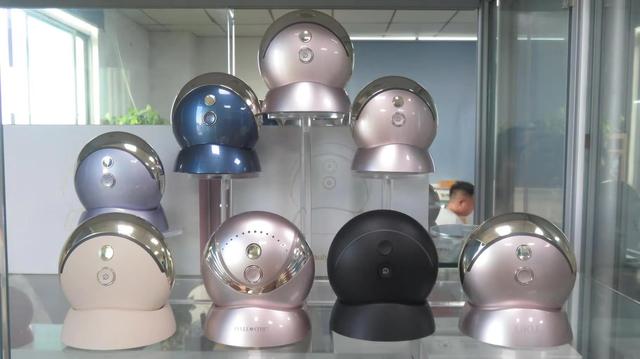
Examine additional products engineered with advanced skin science and high-frequency transducers.